

Introduction: Why Shoe Box Dimensions Matter in ecommerce Packaging
In the footwear industry, packaging is more than protection it is part of the product experience. For ecommerce businesses, choosing the right shoe box dimensions for custom packaging directly impacts shipping costs, product safety, customer satisfaction, and brand perception.
Shoes are sensitive products. Too much space inside a box leads to movement and damage. Too little space causes bending, creasing, or deformation. This is why professional packaging brands and successful footwear companies rely on precise, custom shoe box dimensions rather than generic sizing.
This guide is built from real packaging practices, industry standards, and search-based user intent. It is designed for:
- Footwear brands
- ecommerce sellers
- Packaging manufacturers
- Wholesale distributors
- Retail startups and established businesses
By the end of this guide, you’ll understand standard footwear boxes dimensions, custom sizing strategies, material selection, shipping optimization, and how correct box dimensions increase profitability.
What Are Shoe Box Dimensions?
Shoe box dimensions refer to the length, width, and height of a shoe box designed to fit footwear securely while allowing space for tissue paper, inserts, and branding elements.
Most standard shoe box sizes fall between:
- 12–14 inches (length)
- 7–9 inches (width)
- 4–6 inches (height)
Exact measurements vary depending on shoe type, size, and packaging purpose.
Understanding Standard Shoe Box Dimensions
Standard dimensions are widely used because they fit most footwear categories and align with retail shelving and shipping requirements.
Standard Men’s Shoe Box Dimensions
Men’s shoes are typically larger and heavier, requiring longer and wider boxes.
- Length: 13–14 inches
- Width: 7.5–8.5 inches
- Height: 4.5–5.5 inches
These dimensions fit sneakers, dress shoes, and casual footwear.
Standard Women’s Shoe Box Dimensions
Women’s shoe boxes are slightly shorter and narrower.
- Length: 12–13 inches
- Width: 7–7.5 inches
- Height: 4–4.5 inches
This sizing works well for flats, heels, wedges, and casual shoes.
Standard Kids’ Shoe Box Dimensions
Kids’ shoes require compact, lightweight boxes to reduce shipping costs.
- Length: 9–11 inches
- Width: 6–7 inches
- Height: 3.5–4 inches
These dimensions are ideal for toddlers, youth, and junior shoe sizes.
Shoe Box Dimensions Comparison Table
Accurate shoe box dimensions are essential for protecting footwear and enhancing brand experience. Men’s, women’s, kids’, sneakers, dress shoes, boots, and high heels each require tailored length, width, and height, measured in inches and centimeters. Following these standards ensures safe shipping, reduces returns, and reflects professional packaging expertise.
|
Shoe Type |
Length (Inches) |
Width (Inches) |
Height (Inches) |
Length (cm) |
Width (cm) |
Height (cm) |
|
Men’s Shoes |
13 – 14 |
7.5 – 8.5 |
4.5 – 5.5 |
33 – 36 |
19 – 22 |
11 – 14 |
|
Women’s Shoes |
12 – 13 |
7 – 7.5 |
4 – 4.5 |
30 – 33 |
18 – 19 |
10 – 11 |
|
Kids’ Shoes |
9 – 11 |
6 – 7 |
3.5 – 4 |
23 – 28 |
15 – 18 |
9 – 10 |
|
Sneakers / Sports Shoes |
13 – 14 |
8 – 9 |
5 – 6 |
33 – 36 |
20 – 23 |
13 – 15 |
|
Dress Shoes |
12.5 – 13 |
7 – 8 |
4 – 4.5 |
32 – 33 |
18 – 20 |
10 – 11 |
|
Boots (Ankle/Mid) |
14 – 15 |
9 – 10 |
6 – 7 |
36 – 38 |
23 – 25 |
15 – 18 |
|
High Heels |
12.5 – 13.5 |
8 – 9 |
5 – 6 |
32 – 34 |
20 – 23 |
13 – 15 |
What is the average shoe box size?
The average shoe box size ranges from 12–14 inches in length, 7–9 inches in width, and 4–6 inches in height, depending on shoe type.
Pro Packaging Tip
For custom shoe box packaging, always add 0.5–1 inch extra space to accommodate:
- Tissue paper
- Inserts
- Airflow
- Branding elements
Sneaker & Athletic Shoe Box Dimensions
Sneakers are bulkier due to cushioning and thicker soles.
Typical dimensions:
- 13 x 8 x 5 inches
- Extra depth for padding and airflow
Dress Shoe Box Dimensions
Dress shoes have a slimmer profile but require structured support.
Typical dimensions:
- 12.5 x 7 x 4.5 inches
- Prevents creasing and toe compression
Boot Shoe Box Dimensions
Boots need taller and sometimes wider packaging.
Typical dimensions:
- 14 x 10 x 6 inches
- Vertical or side-opening designs often used
High Heel Shoe Box Dimensions
Heels require height clearance and angled support.
Typical dimensions:
- 13 x 8 x 5 inches
Luxury & Eco-Friendly Shoe Box Dimensions
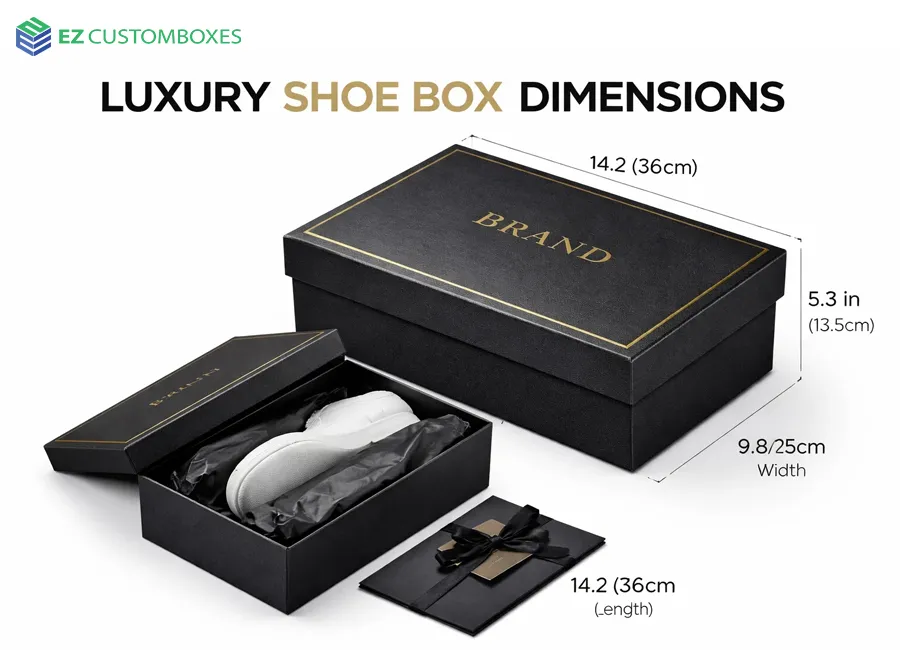
Luxury and sustainable packaging require slightly modified dimensions to accommodate thicker materials, inserts, and premium presentation without wasting space.
Luxury Shoe Box Dimensions (Premium Packaging)
Luxury shoe boxes often use rigid board, magnetic closures, or drawer-style designs, which require extra internal space.
Recommended Luxury Shoe Box Sizes
|
Shoe Type |
Length (in) |
Width (in) |
Height (in) |
Reason for Adjustment |
|
Men’s Luxury Shoes |
14 – 14.5 |
8.5 – 9 |
5.5 – 6 |
Thicker rigid walls & premium inserts |
|
Women’s Luxury Shoes |
13 – 13.5 |
7.5 – 8 |
5 – 5.5 |
Tissue, dust bags, branding cards |
|
Sneakers (Luxury) |
14.5 – 15 |
9 – 9.5 |
6 – 6.5 |
Bulkier soles + luxury structure |
|
Boots (Luxury) |
15 – 16 |
10 – 11 |
7 – 8 |
Tall footwear & rigid framing |
|
High Heels (Luxury) |
13.5 – 14 |
8.5 – 9 |
6 – 6.5 |
Heel clearance & foam inserts |
Luxury Packaging Features
- Rigid cardboard (1.5–3 mm thick)
- Magnetic or ribbon closures
- Foam or velvet inserts
- Matte lamination, foil stamping, embossing
Expert Tip:
Luxury shoe boxes should allow 1–1.5 inches extra internal space for presentation and unboxing experience.
Eco-Friendly Shoe Box Dimensions (Sustainable Packaging)
Eco-friendly shoe boxes focus on minimalism, recyclability, and material efficiency. Dimensions are optimized to reduce waste while maintaining protection.
Recommended Eco-Friendly Shoe Box Sizes
Recommended eco-friendly shoe box sizes are designed to fit footwear snugly while minimizing material waste. Men’s boxes: 13–13.5 × 7.5–8 × 4.5–5 in, women’s: 12–12.5 × 7–7.5 × 4–4.5 in, kids’: 9–10 × 6–6.5 × 3.5–4 in. Right-sized boxes reduce shipping weight, waste, and environmental impact.
Eco-Friendly Packaging Materials
- Kraft cardboard
- Recycled corrugated board
- Water-based inks
- Minimal lamination or no coating
Sustainability Tip:
Eco-friendly shoe boxes should add no more than 0.5 inch extra space to minimize waste and shipping emissions.
Luxury vs Eco-Friendly Shoe Box Dimensions (Quick Comparison)
|
Feature |
Luxury Packaging |
Eco-Friendly Packaging |
|
Material Thickness |
High (Rigid board) |
Medium (Kraft / Recycled) |
|
Extra Space Allowance |
1 – 1.5 inches |
0.3 – 0.5 inches |
|
Shipping Weight |
Higher |
Lower |
|
Visual Appeal |
Premium & decorative |
Clean & minimal |
|
Sustainability |
Medium |
High |
Featured Snippet Answer
Do luxury shoe boxes need larger dimensions?
Yes. Luxury shoe boxes require slightly larger dimensions to accommodate thick materials, inserts, and premium presentation without damaging the shoes.
Final Packaging Insight
Choosing the correct dimensions for luxury or eco-friendly shoe box packaging is about balancing presentation, protection, and efficiency.
Luxury boxes focus on experience and aesthetics, while eco-friendly boxes prioritize sustainability and cost control.

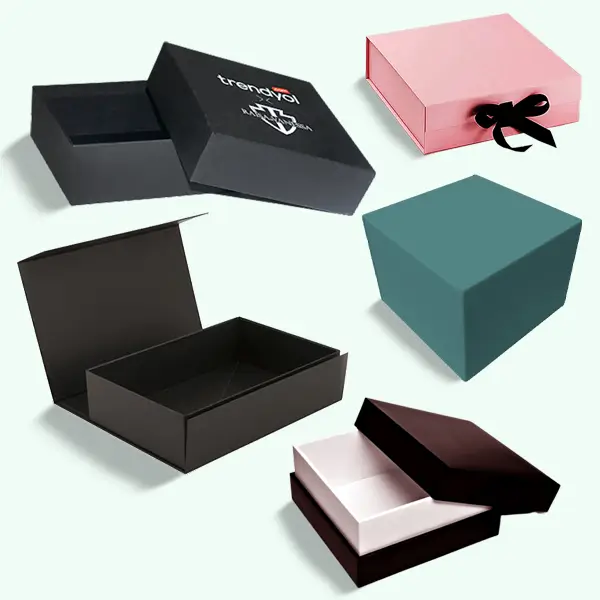
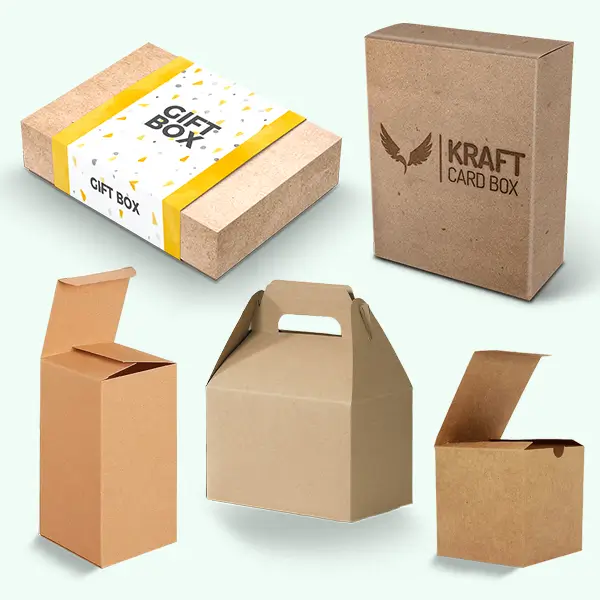
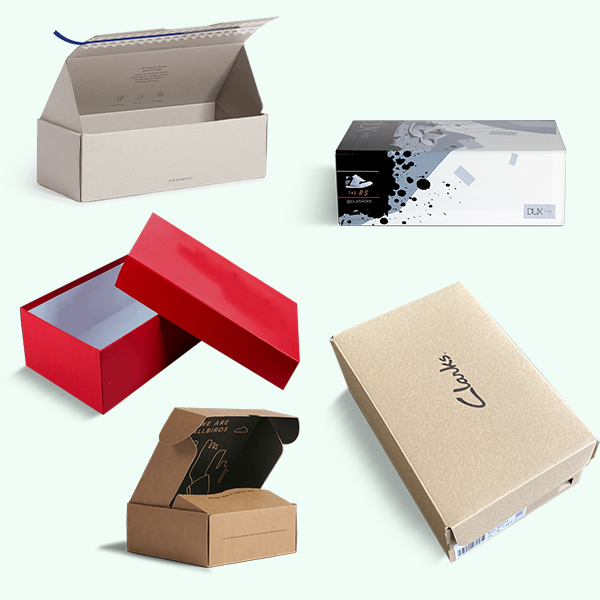
Why Custom Shoe Box Dimensions Are Essential
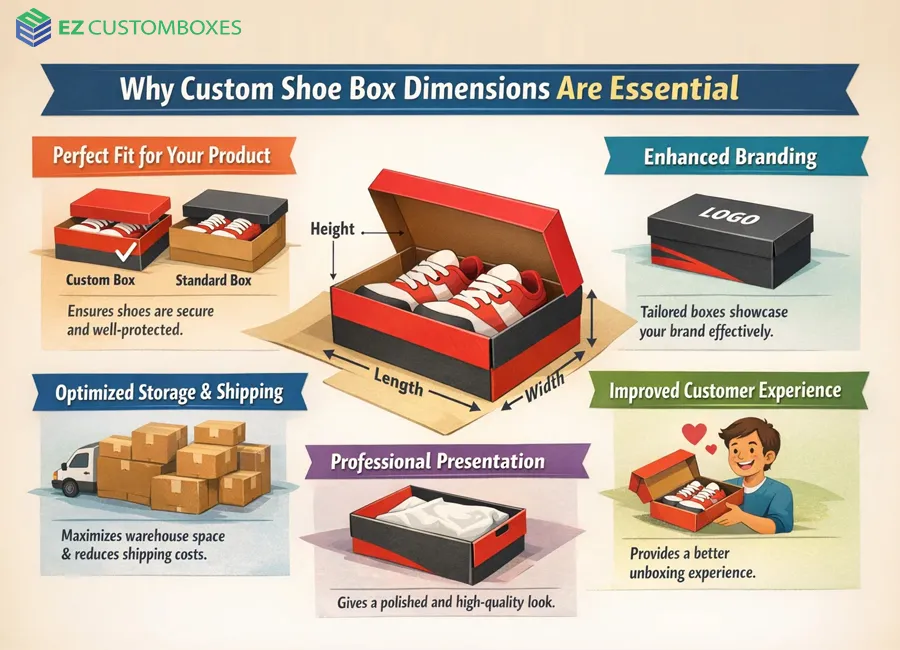
Benefits of Custom Sizing
- Reduced shipping costs
- Better product protection
- Lower return rates
- Improved storage efficiency
- Enhanced unboxing experience
- Stronger brand presentation
From an E-E-A-T perspective, experienced packaging brands know that right-sized packaging directly affects profitability.
How to Measure Shoes for Custom Packaging
Accurate measurement ensures functional packaging.
Step-by-Step Measurement Process
- Measure shoe length from heel to toe
- Measure widest width
- Measure maximum height
- Add 0.5–1 inch allowance for tissue, inserts, and airflow
This method is used by professional packaging engineers.
Custom Shoe Box Dimensions for ecommerce Shipping
Shipping is where incorrect dimensions cost businesses money.
How Dimensions Affect Shipping Costs
- Oversized boxes increase dimensional weight charges
- Empty space requires filler material
- Poor stacking wastes warehouse space
Best ecommerce Shoe Box Practices
- Right-size boxes to product
- Use corrugated cardboard
- Avoid unnecessary height
- Design stackable dimensions
Custom shoe boxes reduce both shipping damage and logistics expenses.
Materials Used for Custom Shoe Boxes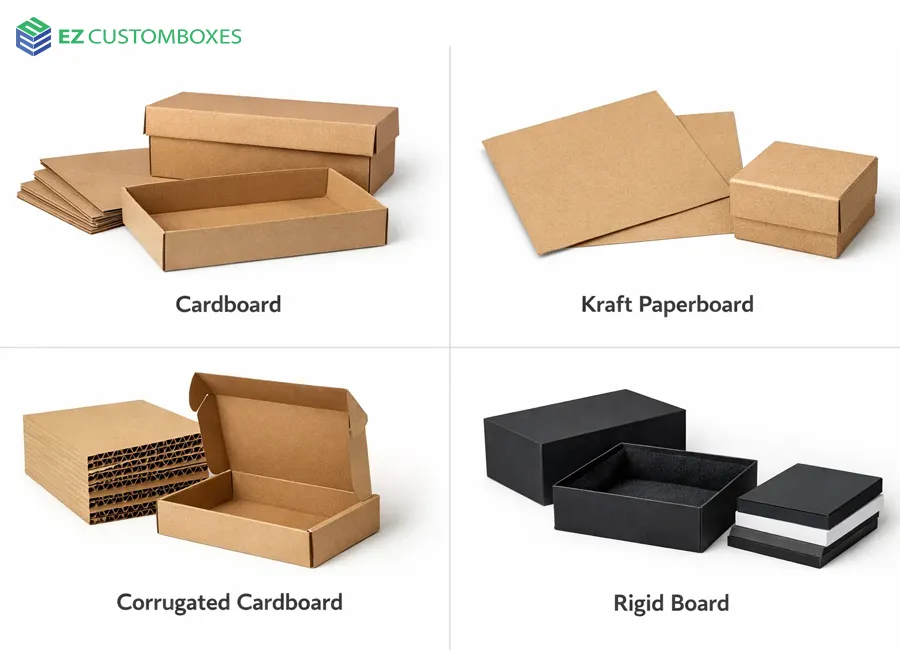
Common Packaging Materials
- Cardboard: Lightweight, printable, affordable
- Kraft Paperboard: Eco-friendly and natural
- Corrugated Cardboard: Strong and shipping-safe
- Rigid Board: Premium and luxury packaging
Corrugated shoe boxes are preferred for ecommerce shipping due to strength.
Eco-Friendly Shoe Box Dimensions & Sustainability
Sustainability is no longer optional.
How Right-Sized Boxes Support Sustainability
- Reduced raw material usage
- Less filler and plastic waste
- Lower shipping emissions
- Easier recycling
Custom dimensions help brands meet environmental goals while improving efficiency.
Design & Printing Considerations Based on Box Dimensions
Dimensions affect how branding appears.
Design Best Practices
- Keep logos centered
- Ensure barcodes lie flat
- Avoid folds through text
- Balance white space
Custom shoe box dimensions allow better visual alignment and print clarity.
Retail vs Wholesale Shoe Box Dimensions
Retail Shoe Packaging
- Shelf-friendly dimensions
- High-quality printing
- Visual appeal prioritized
Wholesale & Bulk Packaging
- Durable construction
- Stackable sizing
- Minimal printing
Choosing the correct dimension strategy depends on your sales channel.
Common Mistakes to Avoid
- Using oversized boxes “just in case”
- Ignoring inserts and accessories
- Choosing thin materials for shipping
- Skipping sample testing
- Not considering dimensional weight pricing
Experienced packaging suppliers always test before bulk production.
FAQs :
Q : What are standard shoe box dimensions?
A : Standard shoe box dimensions typically range from 12–14 inches long, 7–9 inches wide, and 4–6 inches high, depending on shoe type.
Q : Can shoe box dimensions be fully customized?
A : Yes. Custom shoe boxes can be made in any size to fit footwear style, branding, and shipping needs.
Q : Which shoe box size is best for ecommerce?
A : Right-sized corrugated shoe boxes that closely fit the product are best for ecommerce shipping.
Q : Do custom shoe box dimensions reduce costs?
A : Yes. They reduce dimensional weight charges, filler material usage, and product damage.
Q : Are eco-friendly shoe boxes available in custom sizes?
A : Yes. Kraft and recyclable cardboard shoe boxes can be customized in any dimension.
Conclusion: The Power of Shoe Box Dimensions
Choosing the right shoe box dimensions for custom packaging is more than a logistical detail it is a strategic decision that directly impacts product safety, shipping efficiency, sustainability, and brand perception. Properly sized boxes prevent shoe damage, reduce returns, and ensure a premium unboxing experience, which builds customer trust and loyalty.
From standard sizing to fully customized solutions, businesses that invest in accurate packaging dimensions gain measurable benefits: optimized shipping costs, reduced material waste, and improved storage efficiency. Using high-quality materials, whether rigid boxes for luxury packaging or recycled Kraft for eco-friendly options, further strengthens credibility and sustainability efforts.
Industry experts recommend precise measurements and prototype testing to achieve the perfect balance between protection, presentation, and environmental responsibility. By prioritizing custom dimensions, brands not only safeguard their products but also reinforce professionalism, authority, and trustworthiness in every customer interaction.

Ethan Robert works at EZ Custom Boxes as their digital marketing manager. Having a solid background in SEO, content strategy, and eCommerce growth, he specialises in using creative packaging content and data-driven campaigns to drive online visibility and brand interaction.
Recent Blogs


Related Blog
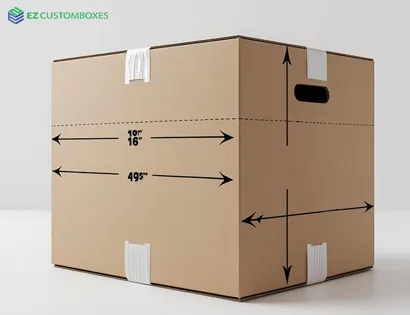
How To Measure Box Dimensions & Package Size
The first thing to note is to measure the box from inside. Use a measuring tape or ruler to measure length, height, and width. Length is the longest side of the box. The perpendicular or the shortest side is the Width, and height is measured from the base to the top edge. Always use the same unit of measurement (inches, centimeters, etc.) for all dimensions.
Read Article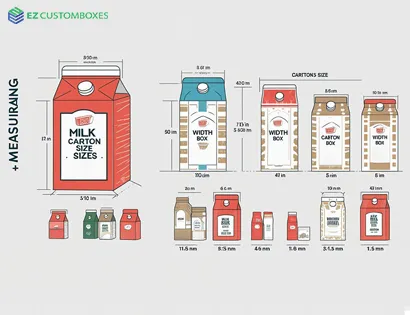
A Guide to Measure Milk Carton Box Dimensions & Carton Sizes
A perfect milk carton is important to keep the milk safe and fresh. The purpose of the boxes is not only to protect the packaging but also to impress the customers. Here we need the perfect packaging. Perfect size = ideal packaging. It will save you both money and space. While deciding on the Milk carton the topmost question is: “How do we measure milk cartons the right way before we place a big order?”
Read Article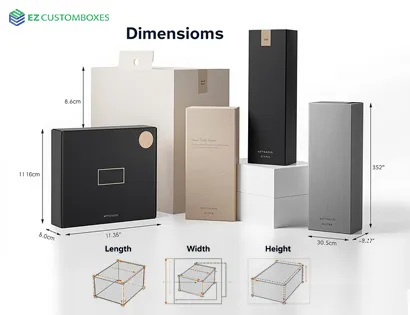
A Comprehensive Guide to Length, Width, and Height Dimensions
To accurately measure anything, one must be familiar with the formula for length, width, and height. The three dimensions of length, width, and height are the three defining features of any physical thing. The importance of selecting the correct packaging boxes and bags cannot be overstated. Get a better grasp on the meaning of length, width, and height by reading this blog!
Read Article