

Introduction: Why Cereal Box Dimensions Matter More Than You Think
At first glance, cereal box dimensions may seem like a trivial detail—something most consumers never consciously think about. However, behind every cereal box on a grocery shelf lies a carefully calculated balance of engineering, marketing psychology, retail strategy, and consumer behavior.
Cereal boxes are designed to:
- Maximize shelf visibility
- Protect product freshness
- Influence value perception
- Fit retail shelving standards
- Optimize transportation and storage efficiency
This guide explores cereal box dimensions in depth, from standard sizes to family packs and travel-friendly formats. Whether you are a consumer organizing a pantry, a brand owner, a packaging designer, or a retail merchandiser, understanding cereal box dimensions provides practical and strategic value.
What Is the Standard Size of a Cereal Box?

Average Cereal Box Dimensions
In most North American grocery stores, the standard cereal box typically measures:
- Height: ~12 inches (30.5 cm)
- Width: ~7.5–8 inches (19–20.5 cm)
- Depth: ~2–2.5 inches (5–6.5 cm)
These dimensions are not arbitrary. They are the result of decades of refinement driven by:
- Retail shelf spacing
- Consumer handling comfort
- Manufacturing and shipping efficiency
- Visual merchandising best practices
Although individual brands may vary slightly, this size range has become the industry norm.
Why 12 Inches Tall? The Retail Shelf Logic
Shelf Compatibility
Most grocery store shelves are designed with vertical spacing that accommodates products between 10 and 14 inches tall. A 12-inch cereal box fits comfortably within this range, allowing:
- Easy stacking
- Clear brand visibility
- Efficient use of vertical shelf space
Boxes taller than this risk being bent or placed awkwardly, while shorter boxes lose visibility.
Eye-Level Marketing Strategy
Retail studies consistently show that eye-level placement drives the highest sales. Standard cereal box heights allow brands to:
- Place logos and mascots directly at eye level
- Display nutrition claims and promotional text clearly
- Maintain consistency across multiple SKUs
This is especially important in the cereal aisle, where dozens of competing products fight for attention.
Why Are Cereal Boxes So Thin?
Depth and Perceived Volume
The typical cereal box depth of 2–2.5 inches creates the illusion of volume without wasting shelf space. Internally, the cereal is stored in a sealed plastic bag, meaning the cardboard box itself does not need excessive depth.
This design:
- Maximizes shelf-facing area (the “billboard effect”)
- Reduces material costs
- Improves shipping density
A deeper box would increase costs without improving consumer value.
Weight vs. Box Size: A Common Consumer Confusion
Many consumers assume that a larger box always contains more cereal. In reality:
- Box size does not equal product weight
- Air space (known as “slack fill”) is intentionally used to protect contents
- Brands often adjust box dimensions while keeping weight constant
This is why two cereal boxes of identical size may contain different net weights, clearly listed on the packaging.
Understanding this distinction improves consumer trust and helps shoppers make more informed purchasing decisions.
Variations Across Brands: Why Boxes Look Similar but Not Identical
Subtle Design Adjustments
While most cereal boxes fall within standard dimensions, brands frequently make small adjustments such as:
- Adding 0.25–0.5 inches in width
- Increasing height slightly for premium positioning
- Using deeper boxes for denser cereals
These changes help products stand out without disrupting shelf compatibility.
Brand Identity Through Shape
Packaging dimensions play a role in brand identity. For example:
- Taller boxes often signal “premium” or “family-size”
- Wider boxes emphasize bold graphics
- Slim boxes suggest portion control or health-conscious branding
Even millimeter-level changes can influence perception.
Case Study: Cinnamon Toast Crunch Box Dimensions
A standard box of Cinnamon Toast Crunch typically measures approximately:
- Height: ~12 inches
- Width: ~7.75 inches
- Depth: ~2.5 inches
These dimensions are optimized to:
- Support vibrant, playful graphics
- Accommodate cereal shape and volume
- Fit standard shelving with minimal wasted space
The slightly wider design allows for larger characters and typography, which is especially effective for family-oriented brands.
Packaging Engineering: Protecting Freshness and Integrity
Structural Considerations
Cereal boxes must:
- Maintain rigidity during shipping
- Protect against crushing
- Support internal bag stability
The chosen dimensions help distribute pressure evenly, reducing breakage during transportation.
Freshness Preservation
While the cardboard box itself does not seal freshness, it:
- Shields the inner bag from light and punctures
- Provides secondary protection against humidity
- Prevents crushing that could damage flakes or shapes
Depth plays a key role here—too thin increases breakage, too deep wastes material.
A Brief History of Cereal Box Standardization
Early cereal boxes in the early 20th century varied wildly in size. Over time, standardization emerged due to:
- Mass retail expansion
- Shelf system uniformity
- Cost optimization in printing and shipping
By the mid-20th century, cereal brands converged on sizes that balanced visibility, efficiency, and consumer handling, leading to the standards we see today.
Who Benefits From Standard Cereal Box Dimensions?

Standardized cereal box sizing benefits:
- Retailers, through efficient shelf planning
- Manufacturers, through predictable production
- Consumers, through familiarity and ease of storage
- Logistics providers, through optimized palletization
This shared benefit explains why dramatic size deviations are rare.
Small Cereal Boxes and Mini Packs — Dimensions, Use Cases, and Consumer Behavior
Understanding Small Cereal Boxes in the Modern Market
While standard cereal box dimensions dominate grocery store shelves, small cereal boxes play an increasingly important role in today’s food packaging ecosystem. These compact formats cater to changing consumer habits, including on-the-go eating, portion control, variety-seeking behavior, and household space limitations.
Small cereal boxes are not merely scaled-down versions of standard boxes. Their dimensions, materials, and design priorities are intentionally adjusted to serve specific use cases. Understanding how and why these boxes differ helps consumers make better choices and helps brands design packaging that aligns with modern lifestyles.
What Are the Dimensions of Small Cereal Boxes?
Typical Small Cereal Box Dimensions
Although there is no single universal standard, most small cereal boxes fall within the following range:
- Height: 5.5–7 inches
- Width: 3.5–4.5 inches
- Depth: 1.25–1.75 inches
A common average size of a cereal box in this category is approximately:
6 × 4 × 1.5 inches
These dimensions are intentionally compact, making them suitable for:
- Single servings
- Variety packs
- Lunchboxes
- Hotel and airline catering
- Promotional sampling
Compared to standard cereal box sizes, small boxes typically contain one to two servings, depending on cereal density.
Why Small Cereal Boxes Exist: Practical and Strategic Reasons
- Portion Control and Health Awareness
One of the most significant drivers behind the popularity of small cereal boxes is portion control. Many consumers struggle with serving size accuracy when pouring cereal from large boxes. Small boxes solve this by offering:
- Pre-measured portions
- Clear calorie control
- Reduced overeating
For health-conscious individuals and parents managing children’s diets, small cereal boxes provide structure without the need for measuring tools.
2. Convenience and On-the-Go Lifestyles
Modern consumers increasingly eat breakfast:
- At work
- In cars
- While traveling
- Between meetings or classes
The compact cereal box dimensions of small boxes allow them to:
- Fit into backpacks, gym bags, and briefcases
- Pair easily with single-serve milk cartons
- Be consumed directly from the box
This convenience factor has made small cereal boxes especially popular in urban markets and among students and professionals.
Small Cereal Boxes vs. Single-Serve Packets
Structural Differences
Although both formats serve similar purposes, there are notable differences:
|
Feature |
Small Cereal Boxes |
Single-Serve Packets |
|
Packaging |
Cardboard + inner bag |
Flexible plastic |
|
Durability |
Higher |
Lower |
|
Shelf Presence |
Strong |
Minimal |
|
Reusability |
Moderate |
Low |
Small cereal boxes maintain the familiar structure of a traditional cereal box, reinforcing brand recognition and perceived value.
Retail Placement and Merchandising of Small Cereal Boxes
Shelf Strategy
Retailers often place small cereal boxes:
- On top shelves
- In end-cap displays
- Near milk and dairy sections
- In checkout-adjacent convenience zones
Because of their reduced size, these boxes can be displayed in high-density arrangements, increasing product variety per shelf.
Variety Packs and Cross-Selling
One of the most common uses of small cereal boxes is in variety packs. These packs allow consumers to:
- Sample multiple flavors
- Avoid committing to a full-size box
- Reduce food waste
From a retail perspective, variety packs increase average order value while offering perceived flexibility.
Packaging Design Considerations for Small Cereal Boxes
Visual Constraints
Smaller cereal box sizes create design challenges:
- Less surface area for graphics
- Limited space for nutritional information
- Reduced character or mascot visibility
Designers compensate by:
- Simplifying visual layouts
- Using bold typography
- Prioritizing brand logos over secondary messaging
Despite their size, small cereal boxes must still communicate brand identity instantly.
Structural Integrity and Material Use
Because small boxes are thinner, packaging engineers must ensure:
- Adequate rigidity
- Resistance to crushing
- Secure closure flaps
The dimensions of a cereal box at smaller scales require careful material selection to avoid damage during shipping.
Small Cereal Boxes in Food Service and Hospitality
Hotels, Airlines, and Institutions
Small cereal boxes are widely used in:
- Hotels and resorts
- Airlines and airports
- Hospitals and care facilities
- Schools and universities
Their compact size ensures:
- Minimal waste
- Easy inventory control
- Standardized serving portions
In these environments, predictable cereal box dimensions simplify logistics and cost forecasting.
Environmental Considerations of Small Cereal Boxes
Material Efficiency
Compared to standard cereal box sizes, small boxes:
- Use less cardboard per unit
- Reduce leftover product waste
- Encourage responsible consumption
However, they may use more packaging per ounce of cereal, which is a common sustainability trade-off.
Brand Responses to Sustainability Concerns
To address this, many manufacturers are:
- Using recycled cardboard
- Reducing ink coverage
- Offering mixed-size variety packs
- Transitioning to lighter-weight box structures
These efforts aim to balance convenience with environmental responsibility.
Comparing Small and Standard Cereal Box Dimensions

|
Feature |
Small Cereal Boxes |
Standard Cereal Boxes |
|
Average Height |
~6 inches |
~12 inches |
|
Serving Size |
1–2 servings |
8–12 servings |
|
Storage Needs |
Minimal |
Moderate |
|
Best For |
Travel, portion control |
Family use |
Understanding these differences helps consumers choose the right cereal box sizes for their needs.
Who Should Choose Small Cereal Boxes?
Small cereal boxes are ideal for:
- Individuals living alone
- Families seeking variety
- Parents managing portion sizes
- Travelers and commuters
- Institutions and food service providers
They are less suitable for households with high cereal consumption due to cost-per-ounce considerations.
Family-Size and Bulk Cereal Box Sizes — Dimensions, Economics, and Storage Strategy
What Are Family-Size Cereal Boxes?
Family-size cereal boxes are designed for households with high cereal consumption, multiple family members, or consumers who prefer buying in bulk. These boxes contain significantly more product than standard formats, and their cereal box dimensions are scaled accordingly to support volume, visibility, and value perception.
While branding remains consistent, the size of a cereal box in the family category is intentionally larger to communicate savings, convenience, and long-term use.
Typical Dimensions of Family-Size Cereal Boxes
Common Family-Size Measurements
Although dimensions vary by brand and cereal type, most family-size cereal box sizes fall within this range:
- Height: 13.5–15 inches
- Width: 9–11 inches
- Depth: 3–4 inches
A common average dimensions of a cereal box labeled “Family Size” is approximately:
14 × 10 × 3.5 inches
These proportions allow manufacturers to:
- Increase internal volume
- Maintain shelf presence
- Preserve structural stability
Why Family-Size Boxes Are Taller and Wider
Shelf Visibility and Value Signaling
A larger cereal box immediately signals:
- More servings
- Better value per ounce
- Fewer shopping trips
Retail psychology research shows that consumers often associate larger packaging with savings, even before checking price-per-ounce labels. The expanded dimensions of a cereal box help reinforce this perception.
Structural Engineering Considerations
Increasing volume without compromising box strength requires:
- Thicker cardboard stock
- Reinforced folds
- Wider base distribution
Family-size cereal box dimensions are carefully engineered to prevent:
- Bowing during storage
- Crushing during pallet stacking
- Tearing during repeated opening
Family-Size vs Standard Cereal Box Dimensions
|
Feature |
Standard Box |
Family-Size Box |
|
Height |
~12 inches |
14–15 inches |
|
Width |
~8 inches |
9–11 inches |
|
Depth |
2–2.5 inches |
3–4 inches |
|
Servings |
8–12 |
18–30 |
The increased cereal box sizes allow families to store more cereal without dramatically increasing shelf footprint.
Economic Benefits of Family-Size Cereal Boxes
Lower Cost Per Ounce
Family-size boxes usually offer:
- Reduced price per ounce
- Better long-term value
- Fewer packaging materials per serving
For regular cereal consumers, the economics are compelling, especially during promotions.
Reduced Shopping Frequency
Larger cereal box dimensions support:
- Fewer restocking trips
- Better meal planning
- More consistent breakfast routines
This convenience is a key reason family-size options perform well in suburban and bulk-shopping markets.
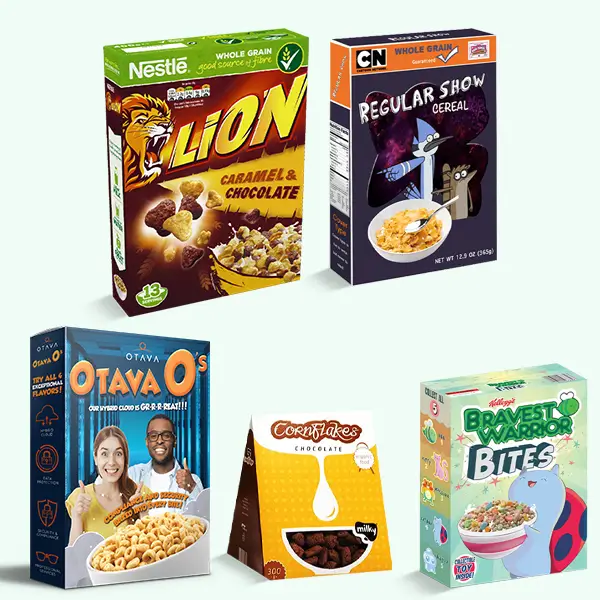
Storage Challenges with Larger Cereal Box Sizes
Pantry Space Considerations
While family-size boxes offer value, they require:
- Taller shelves
- Wider cabinet spacing
- Strategic placement to avoid clutter
Consumers with limited pantry space may struggle to store large cereal box sizes without reorganizing shelves.
Transfer to Airtight Containers
Many households transfer cereal from large boxes into:
- Airtight bins
- Stackable containers
- Drawer-based storage systems
Knowing the dimensions of a cereal box helps determine whether the original packaging should be retained or replaced.
Freshness and Shelf Life in Family-Size Boxes
Air Exposure Risks
Once opened, family-size cereal boxes face:
- Longer consumption periods
- Increased exposure to air and humidity
- Higher risk of staleness
Manufacturers often address this by:
- Using thicker inner liners
- Adding resealable features
- Encouraging proper storage through labeling
Best Practices for Consumers
To maintain freshness:
- Fold inner bags tightly
- Use clips or resealable containers
- Store away from heat and moisture
The larger the cereal box dimensions, the more important proper storage becomes.
Retail Placement of Family-Size Cereal Boxes
Shelf and End-Cap Strategy
Due to their size, family-size cereal box sizes are often placed:
- On lower shelves
- On end caps
- In bulk-value sections
Their visual dominance naturally draws attention, making them ideal for promotional displays.
Impact on Shelf Planograms
Retailers must account for:
- Vertical clearance
- Weight distribution
- Fewer units per shelf
This makes family-size packaging a strategic decision rather than a simple upsizing.
Environmental Impact of Large Cereal Boxes
Packaging Efficiency
From a sustainability perspective, family-size cereal boxes can be:
- More efficient per serving
- Lower in packaging-to-product ratio
- Better for high-consumption households
However, wasted cereal negates these benefits if freshness is not maintained.
Manufacturer Sustainability Strategies
Many brands now:
- Use recycled cardboard
- Reduce ink and coatings
- Optimize box dimensions to reduce excess air
These changes aim to make large cereal box sizes more environmentally responsible.
Who Should Buy Family-Size Cereal Boxes?
Family-size boxes are best suited for:
- Large households
- Families with children
- Frequent cereal eaters
- Bulk shoppers
They may not be ideal for:
- Small apartments
- Infrequent cereal consumers
- Those with limited storage
Understanding cereal box dimensions helps consumers choose wisely.
Cereal Box Dimensions and Marketing — Influence on Shelf Presence, Consumer Perception, and Brand Identity
How Cereal Box Dimensions Influence Shelf Presence
Shelf Space and Visibility
Cereal boxes, despite being relatively standard in size, are essential players in a grocery store's merchandising strategy. The dimensions of a cereal box affect its visibility, placement, and shelf positioning. Retailers plan shelf space meticulously, using these dimensions to maximize eye-level placement and encourage consumer interaction.
- Eye-Level Positioning: Studies show that products placed at eye level in a supermarket typically enjoy higher sales. The size of a cereal box directly influences where it’s placed on the shelf, with taller or wider boxes often being positioned at eye level for maximum visibility. This helps the product capture consumer attention before they even pick it up.
- Product Density: Retailers optimize shelf space by calculating the number of boxes that can be stacked within a specific width. Larger cereal box dimensions may occupy a significant amount of space, but their larger surface area allows for higher visibility, often making them a prime choice for premium brands.
How Dimensions Affect Shelf Planograms
Retailers develop planograms — detailed diagrams that specify how products should be arranged on shelves — based on various factors, including cereal box sizes. The dimensions of a cereal box determine how much space it occupies, which impacts:
- Product grouping: Cereal brands with similar dimensions of a cereal box are grouped together for a more consistent and organized display.
- Category placement: Smaller cereal boxes may be placed near more expensive or "premium" cereals, while larger boxes may dominate the bottom or middle shelves.
By understanding cereal box dimensions, brands can work with retailers to ensure optimal placement that increases product turnover.
Marketing Psychology: How Size Drives Consumer Perception
The "Bigger Is Better" Mentality
Consumers often equate larger box sizes with greater value. This isn’t just about quantity — it’s about the psychological impact that size has on consumer behavior. When consumers perceive a larger cereal box on the shelf, they automatically think they are getting more for their money, even if the net weight is the same as a smaller version.
Here’s how it works:
- Perceived Value: A larger cereal box size plays on the psychological bias known as "size = value." Consumers may assume that a bigger box means more cereal and, consequently, better savings per ounce, even when the pricing per ounce is identical to smaller boxes.
- Visual Weight: Larger cereal boxes, especially those with eye-catching graphics and bold branding, can feel more substantial and premium. This “visual weight” helps drive brand differentiation, signaling to the consumer that they are purchasing something of greater worth.
The Role of Color and Design in Shaping Perceptions
Cereal boxes are iconic not only because of their dimensions but also because of their design elements. Every aspect — from graphic placement to color choices — is crafted to appeal to specific consumer desires and drive brand identity. The dimensions of a cereal box directly influence how much space is available for these elements.
- Large Surfaces for Branding: Larger boxes allow for bold logos, vibrant colors, and catchy slogans. This is why premium and family-size cereals often feature expansive, colorful designs — they create an impression of abundance and energy.
- Typography and Legibility: Larger cereal box sizes provide more room for readable nutritional information, brand names, and taglines. This ensures that when consumers glance at the shelf, they not only see the product but also quickly absorb its key selling points (such as "high in fiber" or "low in sugar").
Cereal Box Dimensions and Consumer Trust
Size and Transparency
Consumers place a significant amount of trust in the way brands present their products. The dimensions of a cereal box can either support or undermine that trust. Here are some factors that come into play:
- Clear and readable nutritional information: The larger surface area of bigger boxes allows for clear, concise, and visible nutritional facts, which helps build consumer confidence.
- Environmental Transparency: As sustainability becomes a growing concern for consumers, brands that make use of eco-friendly materials and display their sustainable practices are seen as more trustworthy. A larger cereal box can allow for explicit messaging about recyclable packaging, reduced carbon footprint, or sustainable sourcing.
By using the size of a cereal box to display important transparency information, brands can position themselves as more reliable and consumer-focused.
The Risks of Deceptive Packaging
Smaller boxes with exaggerated claims or deceptive visual packaging can result in consumer backlash. For example, some brands opt for overly large boxes with unnecessary air space, a practice that can mislead customers into thinking they are purchasing more product than they actually are. This is a growing concern in the industry, especially with consumer advocacy and sustainability movements.
Therefore, creating an honest and transparent cereal box design — where the dimensions of a cereal box match the product inside — is critical to building brand trust and loyalty.
Strategic Use of Cereal Box Dimensions in Branding
Product Differentiation on Shelves
Different box sizes serve distinct branding strategies. Here’s how brands leverage different cereal box sizes to stand out:
- Premium Cereal Boxes: Premium brands often opt for larger box dimensions to suggest abundance and quality. These cereals may feature gilded graphics, luxury ingredients, or health-conscious claims, making them appear more upscale in comparison to smaller, everyday boxes.
- Budget Cereal Boxes: Conversely, budget cereals typically use smaller, more compact box sizes to appeal to price-conscious consumers. The size of a cereal box for these brands often emphasizes affordability, with simple, no-frills designs and bulk purchasing options.
Limited Edition or Special Flavors
Brands often experiment with limited-edition boxes or unique flavors to create excitement and urgency among consumers. Dimensions of a cereal box play a key role in how these items are marketed:
- Specialty Boxes: For example, seasonal editions (like pumpkin spice or holiday-themed cereals) may feature special larger packaging to make the product feel exclusive and worth the purchase.
- Packaging Variations: Some limited-edition boxes might be slightly larger to create collector's appeal, encouraging customers to purchase for both the experience and the limited availability.
The Bottom Line: Cereal Box Dimensions as a Marketing Tool
The dimensions of a cereal box are far more than a technical detail — they are a powerful marketing tool. From creating impactful shelf presence to influencing consumer psychology, box size plays a role in everything from consumer trust to perceived value.
- Consumer Perception: Larger boxes signify value, while smaller ones may emphasize convenience and portion control.
- Shelf Impact: Cereal box dimensions are optimized for maximum visibility and appeal on the shelf.
- Brand Strategy: Brands use box dimensions strategically to differentiate products, reinforce brand identity, and communicate both quality and value.
The Future of Cereal Box Sizes — Sustainability, Innovation, and Emerging Trends
The Future of Cereal Box Sizes: Trends and Innovations
As consumers become more environmentally conscious and health-focused, the dimensions of a cereal box are evolving. The future of cereal packaging involves a blend of innovation, sustainability, and consumer-centered design. Brands are increasingly experimenting with different cereal box sizes and packaging materials, adapting to market demands and regulatory changes.
The Rise of Eco-Friendly Cereal Box Dimensions
One of the most significant shifts in the packaging industry is the move toward sustainable packaging. Consumers are demanding more transparency and accountability from food manufacturers, especially regarding environmental impact. The size of a cereal box can contribute to sustainability in various ways, and here are some key developments:
1. Reducing Packaging Waste
In the past, large boxes of cereal were often filled with excess air, leading to unnecessary packaging waste. Today, brands are striving to eliminate excess space within boxes, optimizing the dimensions of a cereal box to reduce the overall amount of cardboard used. Some brands now employ lightweight materials and minimalist packaging designs that use less ink and fewer coatings.
- Right-sizing packaging: Manufacturers are adjusting box dimensions to match the product volume more accurately, eliminating air gaps and excess packaging material. This reduces the carbon footprint associated with over-packaging.
2. Recyclable and Biodegradable Materials
As part of sustainability efforts, cereal box manufacturers are shifting toward recyclable and biodegradable materials. The adoption of post-consumer recycled paper for the box material is one of the most common trends, alongside soy-based inks and water-based adhesives. Additionally, some companies are testing biodegradable alternatives to traditional cardboard for boxes, including plant-based fibers.
- Compostable options: The development of compostable cereal box materials could become more widespread as brands seek to align with consumer preferences for eco-friendly packaging.
Smaller Cereal Boxes for a More Sustainable Future
While the trend toward larger boxes has been prevalent for offering better value and more servings, the growing focus on environmental responsibility is encouraging some manufacturers to reconsider this approach. Smaller, more compact cereal box sizes can contribute to a reduction in waste while still offering convenience and value. Here's how the industry is adapting:
1. Portion Control and Reduced Waste
Smaller cereal boxes not only offer portion control benefits but also help reduce the amount of cereal wasted due to spoilage or staleness. Since these mini boxes are designed for single servings or smaller families, they help minimize over-purchasing, contributing to a more sustainable supply chain.
- Smaller packaging = less waste: Instead of buying large boxes that may go stale before they are finished, consumers can now choose smaller single-serve cereal boxes that allow for efficient consumption without waste.
2. Compact Boxes for Convenience
With on-the-go lifestyles continuing to rise, small cereal boxes are becoming increasingly popular for their convenience. This trend also aligns with sustainability goals by:
- Reducing overall packaging material per unit sold
- Offering single-serve portions that prevent the waste associated with over-pouring and leftover cereal
Innovations in Cereal Box Sizes and Packaging
As the packaging industry evolves, cereal box sizes are becoming more dynamic. Manufacturers are exploring innovative designs and materials that not only enhance product shelf appeal but also align with modern consumer preferences for convenience, sustainability, and health-consciousness.
- Smart Packaging and QR Codes
The future of cereal packaging is smart. Manufacturers are beginning to incorporate QR codes and augmented reality (AR) features into cereal boxes, allowing consumers to interact with packaging in innovative ways. These digital tools enhance the consumer experience, providing additional information about the ingredients, nutritional content, and sustainability efforts of the product.
- QR codes for transparency: By scanning the QR code on the cereal box, consumers can access detailed information on the sourcing of ingredients, eco-friendly practices, and even recycling instructions for the packaging.
- Minimalist and Flat-Pack Packaging
A new wave of cereal box design is focused on minimalism and flat-pack packaging, which aims to reduce the carbon footprint of the entire packaging process. These designs focus on using less material and simplified structures, making it easier for consumers to dispose of or recycle the packaging after use.
- Flat-pack boxes: Some companies are experimenting with flat-pack boxes that take up less space during transport, reducing shipping emissions. These innovative packaging options could change how cereal box dimensions are approached in the future.
Health-Conscious Trends: Shifting Box Sizes for Diets
The increasing demand for healthier cereal options is also influencing the size and design of cereal packaging. Many consumers are now seeking specialty cereals with dietary considerations, such as gluten-free, low-sugar, high-fiber, or organic ingredients. This shift in consumer preferences is leading to innovations in cereal box sizes to match the product’s target audience.
1. Smaller Boxes for Health-Conscious Consumers
Health-conscious consumers often prefer smaller, more manageable single-serving boxes that allow them to better control portions and avoid overeating. These small boxes cater to consumers who:
- Are watching their calories or sugar intake
- Seek gluten-free or organic cereals
- Prefer smaller quantities of cereal to avoid spoilage
By aligning cereal box dimensions with health-conscious goals, manufacturers are responding to consumer demand for portion-controlled, fresh products that fit modern diets.
3. Subscription Services and Personalized Packaging
As direct-to-consumer (DTC) models continue to grow, subscription boxes are becoming an increasingly popular way for consumers to receive their favorite cereals. Subscription services often offer customized boxes that are specifically designed for individual preferences. These services are influencing cereal packaging in the following ways:
- Custom Sizes: Subscription models allow customers to choose the dimensions of a cereal box that suit their personal consumption rates. The result is a more personalized experience for consumers, which is helping brands differentiate themselves in a crowded market.
- Eco-Friendly Choices: Subscription services often cater to more eco-conscious consumers, offering recycled materials, minimalist designs, and biodegradable packaging.
The Importance of Consumer Feedback in Shaping Cereal Box Dimensions
As consumers become more involved in the decision-making process, their feedback plays a critical role in influencing the future direction of cereal box sizes. Companies are increasingly using consumer insights to develop packaging that better suits the needs of their customers.
- Consumer surveys and social media feedback provide valuable insights into preferred box sizes, design elements, and eco-friendly packaging features.
- Brands that listen to these preferences can make informed decisions about adjusting dimensions, materials, and overall design to meet consumer expectations for both value and sustainability.
Conclusion: The Evolution of Cereal Box Sizes and the Packaging Industry
The dimensions of a cereal box are much more than simple measurements. They represent a strategic tool for brand differentiation, consumer satisfaction, and sustainability. As the cereal packaging industry continues to evolve, the future will likely see even more innovative and eco-conscious packaging solutions. Whether it's a smaller, portion-controlled box for health-conscious consumers or a large family-sized box offering better value, cereal boxes will continue to be a critical component of consumer decision-making.
As we’ve seen, the size of a cereal box influences everything from shelf placement to consumer perception. By aligning packaging with modern preferences, health trends, and environmental concerns, cereal brands can remain competitive and relevant in an increasingly conscious and competitive market.

Ethan Robert works at EZ Custom Boxes as their digital marketing manager. Having a solid background in SEO, content strategy, and eCommerce growth, he specialises in using creative packaging content and data-driven campaigns to drive online visibility and brand interaction.
Recent Blogs




Related Blog
Frozen Food Boxes: Packaging Innovations for Sustainability and Freshness
Customers demand for convenience has resulted in many people preferring frozen foods over traditional produce. Packaging has an important role to play in the safe transportation and preservation of this product. The packaging is able to give the product an effective barrier keeping it safe from oxygen as well as moisture.
Read Article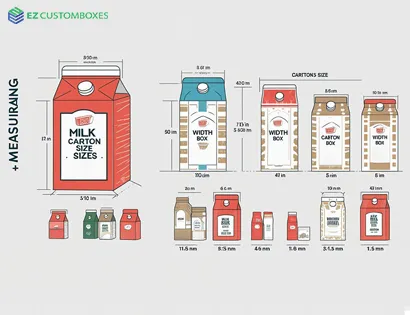
A Guide to Measure Milk Carton Box Dimensions & Carton Sizes
A perfect milk carton is important to keep the milk safe and fresh. The purpose of the boxes is not only to protect the packaging but also to impress the customers. Here we need the perfect packaging. Perfect size = ideal packaging. It will save you both money and space. While deciding on the Milk carton the topmost question is: “How do we measure milk cartons the right way before we place a big order?”
Read Article
How To Seal Mylar Bags for Food Storage
Mylar bags are one of the smartest ways to store food for a long. These bags are the perfect combination of beauty and saving the food inside. They are shiny bags with a strong seal that keep the air, moisture, light, and even other contamination out and enhance the shelf life of the product inside.
Read Article