Call Us Now
1-888-515-1263
Call Us Now
1-888-515-1263

Custom Sizes

Low Minimum

High Quality Printing

Dedicated Rep.

100% Recyclable

Express Delivery

Request a Quote

Approve Art Work

Recieve Your Order
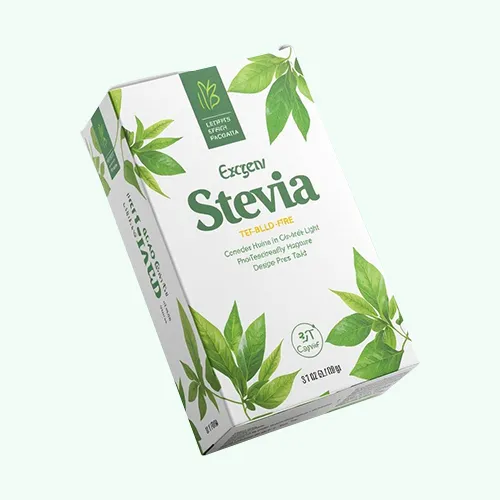
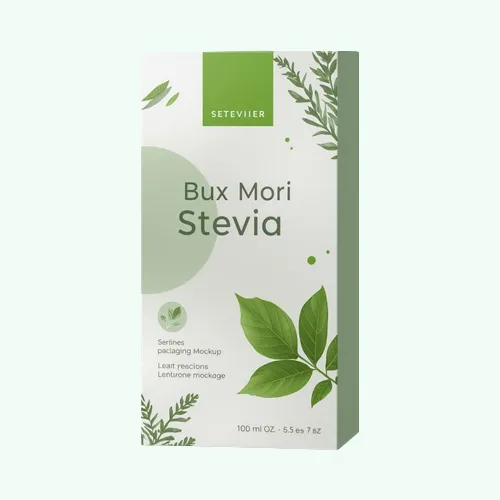
Stevia is transforming the sweetener market. Derived from the Stevia rebaudiana plant, it offers a natural, zero-calorie alternative to sugar. As its popularity grows, so does the need for innovative packaging solutions.
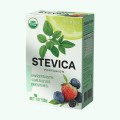
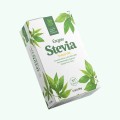
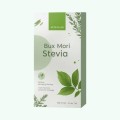
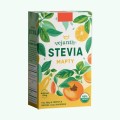
Stevia packaging is more than just a container. It plays a crucial role in brand differentiation and consumer appeal. Custom stevia packaging allows brands to stand out in a crowded market.
Sustainability is at the forefront of packaging innovations. Companies are exploring biodegradable materials and recyclable options to reduce environmental impact. This shift not only benefits the planet but also enhances brand image.
Smart packaging technology is gaining traction. Features like QR codes and NFC tags engage consumers and provide valuable product information. These innovations are reshaping the consumer experience.
Stevia boxes are evolving to improve shelf life and maintain freshness. Packaging design trends now emphasize transparency, allowing consumers to see the product before purchase. This builds trust and encourages sales.
The future of stevia packaging is bright. Innovations like edible packaging and plant-based materials are on the horizon. As consumer preferences evolve, so will packaging solutions, ensuring stevia remains a staple in the sweetener industry.
Stevia is derived from a plant native to South America. This sweetener has taken the market by storm due to its natural origins. Unlike sugar, stevia provides sweetness without the calories.
Consumers today are more health-conscious than ever. As a result, many are turning to natural alternatives like stevia. Its zero-calorie content makes it an attractive choice for those watching their sugar intake.
The plant compound responsible for sweetness is called steviol glycosides. These compounds are extracted from the leaves of the stevia plant. This extraction process ensures the product remains natural, without artificial additives.
Stevia's rise can be attributed to several benefits:
Despite its sweet perks, stevia isn't just about health. The demand for stevia is also driven by its versatility. It can be used in beverages, baked goods, and even savory dishes, offering a broad scope for culinary creativity.
As the natural sweetener revolution gains momentum, stevia continues to gain traction. Its unique properties and health benefits ensure it stays relevant in the ever-evolving sweetener market.
Packaging for stevia has undergone a notable transformation. Initially, it was simple, focusing solely on function. The primary goal was to protect and contain the product.
Over time, packaging has evolved. Market competition and consumer preferences demanded more than basic functionality. Now, packaging must captivate as well as protect.
Modern stevia packaging is often custom-designed. This customization serves several purposes. It enhances brand recognition and appeals to unique consumer segments.
Several key trends have driven this evolution:
The shift from basic to bespoke packaging aligns with broader industry trends. Today, custom stevia packaging reflects an intersection of innovation and tradition. Each box tells a story about quality and design.
Sleek, modern packaging helps products stand out on crowded shelves. Detailed designs aim to attract discerning customers. Brands now use packaging as a strategic tool in marketing.
The journey from simple to sophisticated packaging reflects the industry's growth. It underscores the importance of packaging in building a successful brand. As consumer expectations evolve, so too must packaging solutions, ensuring that stevia products remain competitive and desirable in a dynamic market landscape.
Custom stevia packaging plays a crucial role in brand differentiation. In a crowded market, standing out is essential. Unique packaging helps a brand catch the consumer's eye.
A strong brand identity is crucial for consumer recall. Custom packaging reflects a brand's values and message. It's a visual representation of the company's story.
Consumer preferences drive the need for tailored packaging. People seek products that resonate with their personal values. Custom packaging helps communicate those values effectively.
Custom stevia packaging is not just about aesthetics. It also offers practical benefits. These include improved usability, such as resealable features or ergonomic designs.
Listed below are some reasons why custom packaging matters:
Investing in custom packaging can also enhance product appeal. It helps ensure consumer loyalty by aligning with their lifestyle choices. Brands that invest in thoughtful packaging often see increased consumer trust.
In today's market, it's about creating an experience. With custom packaging, stevia brands can engage consumers in new ways. Innovative designs communicate a commitment to quality and uniqueness.
Ultimately, custom packaging is a strategic investment. It is a tool that aids in attracting and retaining customers. By tailoring packages to consumer preferences, brands ensure that their products remain relevant and appealing.
Stevia boxes serve as the first line of defense for the product. They protect the delicate contents from environmental factors. Moisture and light can compromise stevia's quality and taste.
Preservation is another critical function of stevia boxes. Proper packaging ensures the freshness and potency of stevia. Without adequate preservation, the sweetener could lose its efficacy over time.
Presentation is where stevia boxes truly shine. The visual appeal of packaging plays a vital role in attracting consumers. A well-designed box communicates the product's quality and the brand's ethos.
Here are the key functions of stevia boxes:
These functions collectively influence a consumer's purchasing decision. Effective packaging combines all these elements seamlessly. It ensures the product arrives intact and looks appealing on the shelf.
Stevia boxes contribute to the overall consumer experience. Proper packaging assures customers of the product's authenticity and quality. Thus, investing in well-thought-out packaging pays off significantly for brands.
Sustainability is more than a trend; it's a necessity. Consumers demand eco-friendly solutions across the board. This demand extends to stevia packaging too.
Brands are responding with innovative, sustainable options. They aim to reduce the environmental footprint of packaging. This involves using biodegradable and recyclable materials.
Biodegradable materials decompose naturally, minimizing waste. These materials can replace conventional plastics. Thus, they are less harmful to the environment.
Recyclable packaging solutions also play an important role. They ensure that resources are reused effectively. This approach promotes a circular economy, which benefits everyone.
Some key sustainable materials and practices include:
Packaging strategies extend beyond materials. The design also plays a crucial role in sustainability. Efficient design minimizes waste and optimizes resource use.
Designers focus on reducing unnecessary components. This makes the packaging easier to recycle and process. It also streamlines production, saving energy and costs.
In addition to material choices, sustainable practices include:
Eco-friendly packaging does more than protect nature. It enhances brand image and builds consumer trust. Buyers are increasingly choosing brands that align with their values.
The shift towards sustainability in stevia packaging is more than beneficial. It's crucial for a future where waste and pollution are minimized. Brands are now integrating these practices as standard procedures. They recognize that eco-friendliness is integral to business longevity. By embracing sustainable solutions, brands meet both current and future consumer demands.
Innovation in stevia packaging is on the rise. New materials and technologies are changing the packaging landscape. These advancements aim to improve functionality and sustainability.
One key area of innovation is material development. Companies are experimenting with plant-based materials. These options are both sustainable and effective.
For example, corn starch-based packaging is gaining popularity. It's biodegradable and reduces reliance on fossil fuels. Similarly, sugarcane-based plastics offer a renewable alternative.
Alongside new materials, technology is a driving force. Smart technologies are finding their way into packaging. These advancements aim to enhance consumer interaction and convenience.
Examples of these technologies include:
These technological features add value beyond the physical packaging. They connect consumers to a broader digital experience. This approach aligns with the growing trend of digital integration.
Moreover, digital printing technology is revolutionizing design. It allows for high-resolution, vibrant packaging designs. This precision aids in creating detailed custom stevia packaging.
Digital printing offers flexibility and efficiency. It enables brands to adapt designs quickly. This flexibility supports limited editions and regional customizations.
Advancements are not limited to materials and technology alone. Packaging formats are also evolving. Resealable packaging, for instance, improves usability and prolongs product life.
Flexible packaging solutions, like pouches, offer another innovation. These designs are lightweight and reduce shipping costs. They also take up less space, leading to further efficiencies.
Overall, innovations in stevia packaging materials and technologies aim to meet consumer demands. They focus on improving product preservation, enhancing user experience, and promoting sustainability. As the market continues to innovate, these trends will likely grow stronger, shaping the future of stevia packaging significantly.
Smart packaging is revolutionizing consumer interaction. It offers more than just product protection. It transforms packaging into an engaging experience.
Technology plays a crucial role in this evolution. By incorporating digital elements, packaging becomes a tool for communication. This shift provides consumers with valuable information at their fingertips.
Key technologies in smart packaging include:
These elements foster direct brand-consumer interactions. By scanning a QR code, for example, consumers can access recipes or product origin stories. NFC tags enable a personalized customer journey, deepening brand loyalty.
The rise of e-commerce amplifies smart packaging's importance. Online shopping limits physical interaction. Thus, digital engagement through packaging becomes essential for maintaining a brand's presence.
Moreover, smart packaging enhances product safety. For example, sensors can signal if a product's integrity is compromised. These features add an extra layer of trust and assurance.
As brands increasingly adopt smart packaging, consumer expectations grow. They demand convenience, information, and sustainability. Smart packaging meets these demands by bridging the gap between digital and physical realms.
Smart packaging not only enhances consumer experiences but also supports brand storytelling. It creates a dynamic channel for communication, fostering brand loyalty and driving future innovations. As technology evolves, the scope and impact of smart packaging will undoubtedly expand.
In recent years, packaging design has embraced minimalism. Clean, simple designs resonate with modern consumers. This trend reflects a desire for clarity and focus.
Transparency has also taken center stage. Consumers want to see what they're buying. Clear packaging allows them to assess product quality firsthand.
Customization plays a pivotal role in packaging trends. Personalization options attract consumers by making products more relatable. They connect with consumers on a personal level, enhancing brand loyalty.
Key aspects shaping current packaging design include:
These trends work together to create a compelling brand story. By adopting minimalistic designs, brands convey authenticity and sophistication. Transparency adds a layer of honesty, fostering consumer confidence.
Customization allows brands to showcase their unique value. It highlights their commitment to meeting diverse consumer needs and preferences. Tailored designs stand out, making a lasting impression in a crowded market.
Overall, packaging design trends reflect consumer values and preferences. As tastes evolve, so too will the approaches to packaging. By staying attuned to these trends, brands ensure their offerings remain relevant and appealing. This alignment is critical for maintaining a competitive edge in the dynamic world of consumer goods.
The significance of regulatory compliance cannot be overstated in food packaging. It ensures consumer safety and product integrity. For stevia products, adherence to food safety standards is paramount.
Stringent regulations govern stevia packaging. These rules aim to protect consumers from contamination and harm. They also ensure packaging materials are safe for food contact.
Key regulatory considerations include:
Compliance with these regulations builds consumer trust. It assures them that the product is safe for consumption. Brands that fail in this area risk damaging their reputation.
Moreover, food safety is intrinsically linked to packaging design. Effective packaging prevents spoilage and preserves product quality. Properly sealed stevia boxes keep the product fresh and extend its shelf life.
Staying updated with regulatory changes is crucial for brands. This vigilance ensures ongoing compliance and keeps consumers safe.
E-commerce has transformed packaging design across industries, and stevia is no exception. Online sales demand packaging that is robust and visually appealing. This shift emphasizes the necessity for packaging that can endure the rigors of shipping.
Stevia packaging now prioritizes durability. Packages need to protect contents against impacts during transit. Meanwhile, they must maintain their appeal to attract consumers browsing online.
Brands are adapting by focusing on these key packaging aspects:
Additionally, unboxing experiences have become essential. Consumers expect packaging that is easy to open and visually impressive. This expectation has driven creativity in packaging designs and formats.
E-commerce also pushes brands to innovate with sustainability. Eco-friendly packaging is increasingly vital as consumers prioritize environmental responsibility. Thus, brands balance practical shipping needs with sustainable practices.
As the packaging industry evolves, exciting trends are emerging for stevia packaging. The integration of edible packaging is gaining attention. These packaging solutions minimize waste, aligning with eco-friendly goals.
Plant-based materials are another promising trend. They offer sustainable alternatives to traditional packaging. This development supports the growing demand for green solutions in consumer goods.
Moreover, augmented reality (AR) in packaging is an innovative feature. AR offers interactive consumer experiences, boosting engagement. Customers can access product information by scanning the package with a smartphone.
These future trends in stevia packaging include:
Brands are exploring these trends to meet evolving consumer preferences. Innovations like these enhance brand image and appeal. They also offer practical solutions to packaging challenges.
Combining functionality with these innovations will lead the way forward. The emphasis is on integrating modern technology with sustainable practices. This approach will redefine consumer expectations and set new industry standards.
Partnerships are crucial in driving innovation in stevia packaging. When packaging companies and stevia producers collaborate, remarkable advancements occur. Such joint efforts foster creativity and efficiency in developing new solutions.
These collaborations often lead to the sharing of expertise and resources. This synergy accelerates the development of cutting-edge packaging technologies. It also allows the integration of unique materials and sustainable practices.
Key benefits of partnerships in stevia packaging include:
By working together, these entities enhance the potential for breakthroughs in design and functionality. Such alliances not only push the boundaries of what's possible but also optimize production processes. In a competitive market, these partnerships stand out by setting new standards in quality and innovation.
The journey of stevia packaging is marked by innovative leaps and boundless opportunities. As consumer preferences evolve, so must the approaches to packaging. This evolution is driven by demands for sustainability, convenience, and enhanced user experiences.
Looking ahead, the integration of technology will continue to reshape the packaging landscape. From smart packaging to augmented reality, the potential for consumer engagement is immense. These innovations not only captivate consumers but also simplify their interactions with products.
Ultimately, the future of stevia packaging hinges on adaptability and collaboration. By embracing new materials and technologies, and fostering partnerships, the industry will thrive. The brands that lead in these areas will stand out, setting benchmarks for others to follow. The path forward promises exciting changes that will define the next era of packaging excellence.

|
Dimensions: Custom Shapes & Sizes (Made To Order) |

|
Print Options: CMYK, PMS, No Print |

|
Cardstock: 10pt - 48pt cardstock, Brown/white Kraft, Corrugated, Buxboard, Texture & Linen |

|
Quantity: Sampling (1-5 samples), Actual Order (100-500k units) |

|
Coatings: Gloss/Matte, Velvet Soft Touch, Aqueous Coating, Holographic |

|
Print Process: Offset, Digital, Screen |

|
Extra's: Window Patching, Foiling, Emboss/Deboss, Spot UV |

|
Proofing: 2D View, 3D View, Physical Sampling (On Demand) |

|
Accepted Formats: • Adobe InDesign • Adobe Photoshop • Adobe Illustrator • Corel Draw |

|
Artwork Creation: • Layout your artwork on the provided die template and send back to us for proofing. • If your product needs a white ink please create a separate layer • Embed your images with a resolution of min 300dpi or provide vector file |

|
Bleed Margin: Add 0.625" as bleed margin in your file |

|
Colour Managment: • Identify PMS colours on file for us to match with PMS • Do not decide colours from pdf file.As they are not compatible with orignal prints • Update us if you already have a colour sample for us to match |

|
Fonts: • Curve outline the fonts if any special font is used in your file • Any special font used in file to be provided separately |

|
Page Size: • Setup the page size of your artwork to the exact size of your file on a single page • Our team will adjust the artwork canvas and uppings at our end • We recommend to print the final proof on actual size and make a paper dummy to ensure proper sizing of your boxes |

|
Step 1: Update your requirement to our packaging experts and share the artwork if available
|

|
Step 2: Our sales team will work on your quotation and will get back to you within guaranteed 24hours |

|
Step 3: Approve your artwork or physical sample |

|
Step 4: Your Order is all set for production |

|
Step 5: Sit back and relax, Let our experts produce the best packaging for you |


The rigid boxes we received are exceptional! The quality and durability are top-notch, and the sleek design really gives our luxury products a sophisticated and high-end feel. From the vibrant printing to the flawless edges, everything about these boxes feels meticulously crafted.

These rigid boxes have truly transformed our packaging. With their elegant design and solid construction, they’re perfect for showcasing our luxury products. These boxes aren’t just a means of packaging—they’re a statement of luxury and excellence.

We’re so impressed with the eco-friendly boxes! Not only are they beautifully designed, but they also align perfectly with our commitment to sustainability. They’ve made going green feel so effortless, and the unboxing experience is just as memorable as the products inside.

Switching to eco-friendly boxes was the best decision we made. These boxes are stylish, modern, and also recyclable and biodegradable, making them the ideal choice for our brand. Our customers love knowing that we’re contributing to environmental conservation in such a fashionable way.

EZ Custom Boxes’ cardboard boxes are a true work of art. They combine lightweight strength with a professional look, offering both protection and presentation. The best part is that we can customize the design to perfectly match our brand’s image.

We’ve tried several suppliers, but none come close to EZ Custom Boxes’ cardboard boxes. The attention to detail and the quality of each box is remarkable. They’re beautiful, durable, and affordable—exactly what we needed for our products!

The personalized CBD boxes have truly elevated our packaging. The vibrant colors, accurate branding, and sturdy build make our products stand out. Since switching to these amazing boxes, our sales have skyrocketed, which speaks volumes about their impact.

EZ Custom Boxes has taken our CBD packaging to the next level. Their boxes are sleek, modern, and crafted with precision to enhance the customer experience. The bold designs and premium feel leave a lasting impression every time.

Their display packaging is simply outstanding! The high-quality materials and creative designs make our products pop in any store. The perfect balance of form and function has significantly boosted our sales and visibility.

EZ Custom Boxes’ display boxes are fantastic! Not only are they durable, but the designs are eye-catching too. Thanks to these boxes, we’re now the talk of the town—our products really stand out on the shelves, giving us a competitive edge.

We’re thrilled with the cosmetic boxes we ordered. The elegant design, premium materials, and personalized printing have elevated our brand image. Customers often comment on how luxurious the packaging feels, and we couldn’t be happier with the result.

These cosmetic boxes have completely transformed our packaging. The rich colors, attention to detail, and flawless finish make these boxes irresistible. Our clients are raving about them, and they radiate sophistication.

The gift boxes we ordered are game-changers! They’ve taken gift-giving to the next level with their stunning designs and premium feel. These boxes offer the perfect blend of style and practicality, making them suitable for any occasion.

EZ Custom Boxes’ gift boxes are exceptional! Every unboxing experience feels special thanks to the intricate designs, vivid colors, and superior craftsmanship. These boxes elevate the excitement of gift-giving beyond the contents inside.

The mailer boxes are fantastic in every way! They’re sturdy, beautifully crafted, and give our deliveries a polished, professional appearance. Our clients are always excited to receive their orders because the boxes feel so well-made and thoughtful.

EZ Custom Boxes’ mailer boxes have exceeded all expectations! Our e-commerce shipments now stand out thanks to their stylish and durable design. Customers often tell us how luxurious the unboxing feels, making every delivery special.

Our experience with the subscription boxes has been excellent! The high-quality materials, perfect fit, and custom designs have really elevated our brand. Our customers look forward to receiving their monthly packages, knowing they’ll be greeted with something special.

The subscription boxes are incredible! They’ve helped us build a strong brand identity while also being aesthetically pleasing and durable. Every detail feels professional, and we’ve received nothing but positive feedback from our clients.
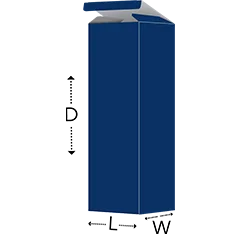
Measure the Length First, Width & then Height

Full Colour Inside Outside
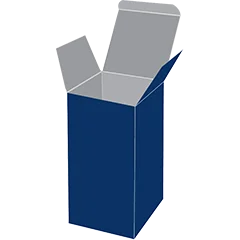
Full Colour Outside Only

Full Colour Inside Only

No Printing

Used for small size retail packaging boxes, Recommended for light weight products.

Standard Cardboard Material, Widely used for mid-size retail & wholesale packaging industry
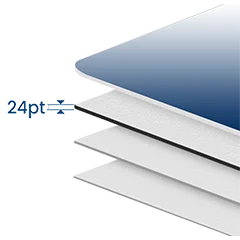
Sturdy Cardboard for Retail Packaging, Recommended for displays and big size product boxes.

Sturdier rigid board used for High End & Luxury class packaging, Stiffer & Solid as compared to cardstock

Widely used for mailing & packaging purpose. Heavy material can withstand handling process

Brown or Grey recycled eco-friendly stock normally used in retail sector. 100% Recyclable
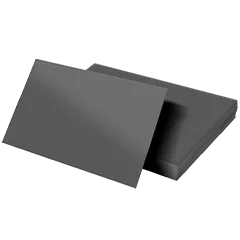
Very Smooth Dull Finish, Very appealing because of its soft textured finish
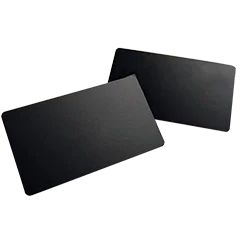
Decent Dull Look. Protects the printed surface from scratches & enhance the box beauty with elegant dull finish.

High Gloss Finish. Protects the printed surface from scratches & enhance the box beauty with shinny reflective
All rights reserved @ EZCUSTOMBOXES