

Recycled and recyclable materials are gaining attention in today's world. They play a crucial role in sustainability efforts. Understanding their benefits is essential for anyone interested in eco-friendly living. These materials help conserve resources and reduce waste. They are key components of the circular economy. This approach aims to keep resources in use for as long as possible.
Sustainable products often rely on recycled materials. They require less energy to produce, lowering their environmental impact. The demand for such products is growing. Consumers and businesses alike are seeking greener alternatives. Governments are also encouraging the use of recycled materials. Policies are being implemented to support recycling initiatives.
Recycling not only benefits the environment but also boosts the economy. It creates jobs and fosters innovation.
By embracing recycled and recyclable materials, we can contribute to a more sustainable future.
What Does "Recycled and Recyclable" Mean?
The terms "recycled" and "recyclable" have distinct meanings. Understanding them can clarify their importance in sustainability.
Recycled materials have undergone a process of transformation. They come from waste products that have been reprocessed into new materials.
Recyclable materials, on the other hand, are items that can be collected and processed into new products. They must undergo a specific recycling process to become usable again.
Common recyclable materials include the following:
- Metal
- Glass
- Paper
- Plastics
- Textiles
These materials can support various industries by providing them with alternative resources.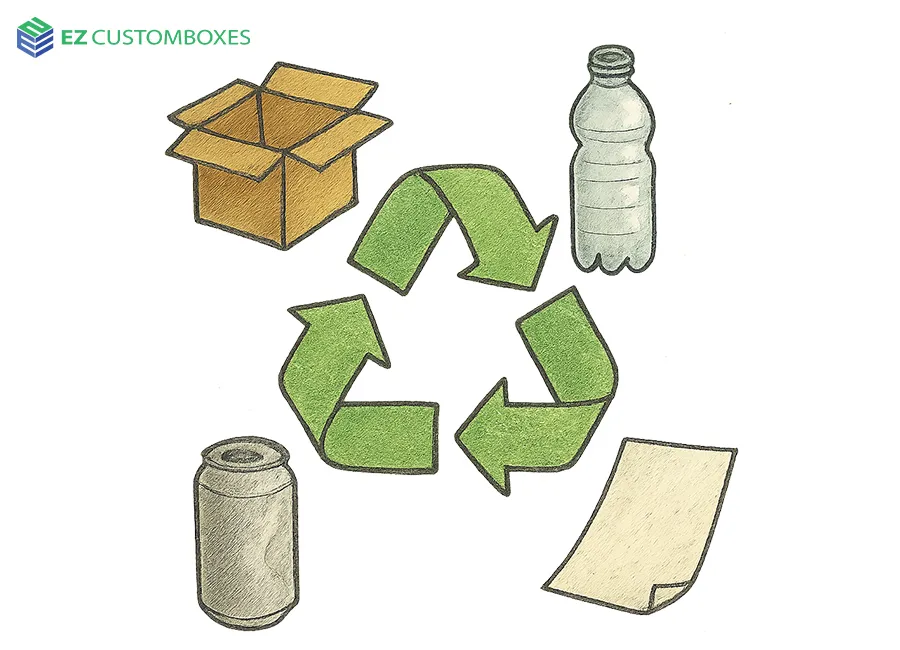
Not all recyclable materials are always recycled. This depends on recycling facilities, market demand, and consumer behavior.
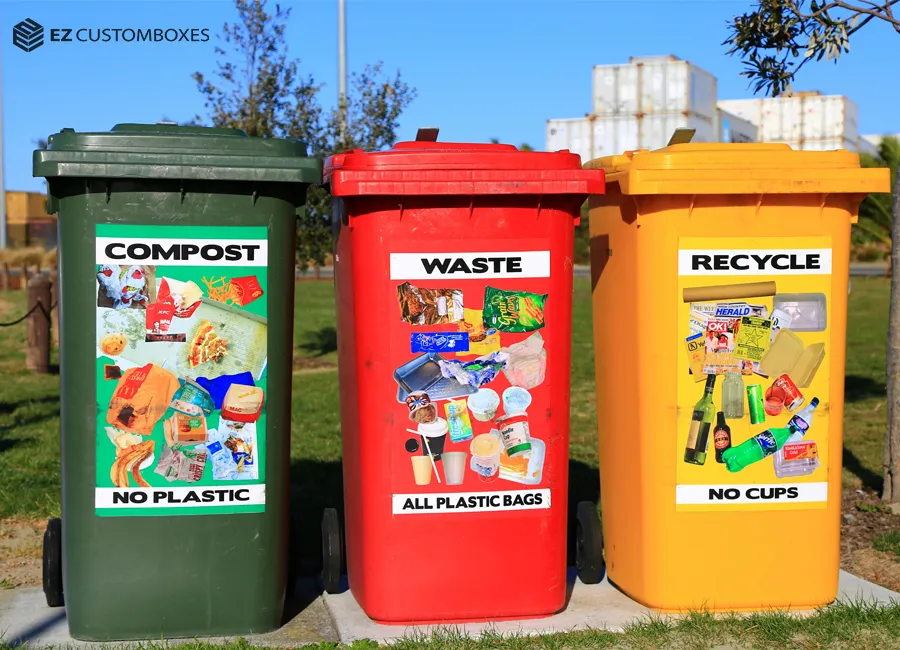
Recycling requires proper sorting and processing to be effective. Contamination can lead to ineffective recycling efforts.
Understanding these definitions helps in making informed decisions. This knowledge can guide purchasing and disposal habits toward more sustainable choices.
The Role of Recycled and Recyclable Materials in the Circular Economy
Recycled and recyclable materials are vital to the circular economy. Their use extends the lifespan of resources while reducing waste.
The circular economy is designed to redefine growth and focus on positive society-wide benefits. It's an alternative to the traditional linear economy, which follows a "take, make, dispose" model.
In this sustainable approach, materials are kept in use for as long as possible. This maximizes their value and minimizes environmental impact.
Key components of the circular economy include:
- Waste reduction
- Resource efficiency
- Continuous reuse of products and materials
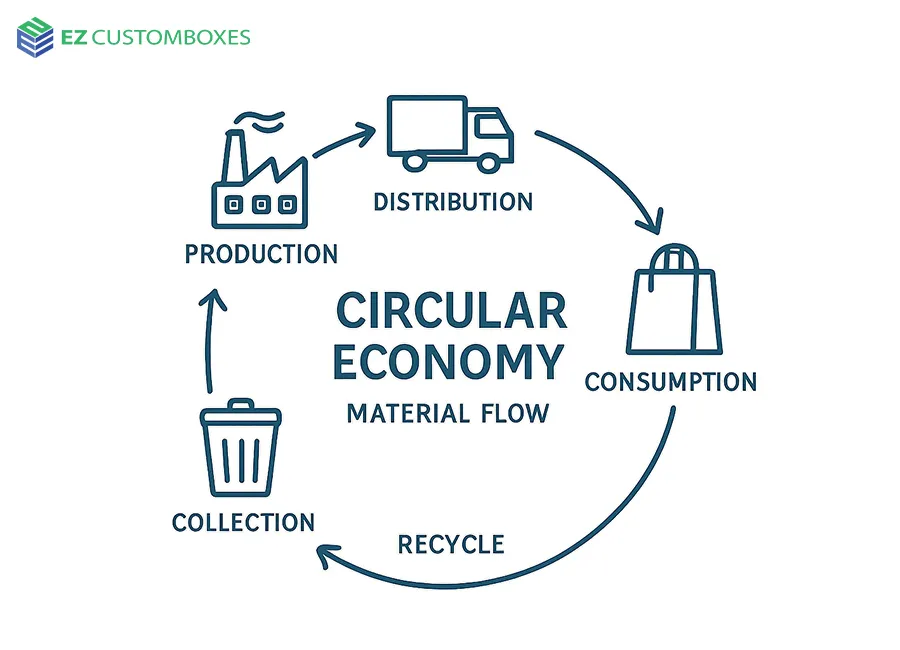
The transition to a circular economy requires collaboration across sectors. It involves governments, businesses, and communities working together.
Industries adopt recycled materials to close the loop on resource use. This reduces the need for virgin resources and conserves natural environments.
Consumer demand for sustainable products is driving this shift. People seek products that are sustainable and have a minimized environmental footprint.
Recycling ensures valuable materials are recaptured and reused. This supports economic activity without further depleting the planet’s resources. The circular economy fosters innovation and creates new business opportunities, ensuring both environmental and economic benefits.
Environmental Benefits of Using Recycled Materials
Using recycled materials plays a significant role in lowering environmental impact. They help conserve precious natural resources and habitats.
By choosing recycled over virgin materials, we drastically reduce carbon emissions. Manufacturing with recycled materials often requires less energy than starting from scratch.
An immediate benefit is the reduction of waste sent to landfills. Recycling diverts materials from incineration, which further decreases pollution.
Recycled materials contribute to a cleaner environment by minimizing deforestation and protecting biodiversity. The extraction of raw materials often leads to habitat destruction.
The process of recycling saves energy, as it typically consumes less power than producing new materials. This energy efficiency translates into lower greenhouse gas emissions.
- Reduced need for raw material extraction
- Lower energy consumption
- Decreased pollution and waste
- Conservation of ecosystems and biodiversity
Metals and glass can be recycled repeatedly without loss of quality. This ongoing cycle is crucial for reducing the ecological footprint.
Water conservation is another benefit, as many virgin material processes are water-intensive. Recycling helps limit the freshwater used in these operations.
Adopting recycled materials is a step toward mitigating climate change. Lower emissions and energy use contribute directly to lessening the climate crisis.
The life cycle of a product is extended when recycling is implemented. This reduces the overall demand for new products, further lightening environmental impacts.
Recycling also aids in keeping plastics out of oceans. This lessens marine pollution, which is vital for sea life health and ecosystem balance.
The environmental advantages of using recycled materials are immense, supporting a sustainable and greener planet.



Economic and Social Advantages of Recycling
Recycling offers numerous economic benefits that drive industry innovation and job creation. It boosts local economies by increasing demand for recycling services.
The recycling industry is a notable employer. It offers jobs in collection, processing, and sales of recycled materials, contributing to economic growth.
Using recycled materials can significantly reduce manufacturing costs. It decreases the need for raw resources and minimizes production expenses.
Consumer demand for sustainable products is growing. Companies that incorporate recycled materials into their products can enhance their brand image and appeal to eco-conscious buyers.
Communities benefit socially from recycling programs. These initiatives often lead to increased environmental awareness and engagement among residents.
Recycling initiatives strengthen community ties by encouraging collective environmental responsibility. This communal effort supports local and global sustainability.
- Job creation in the recycling sector
- Cost savings in manufacturing
- Enhanced brand reputation
- Increased environmental awareness
- Stronger community engagement
Economic efficiency is improved as recycling saves on disposal costs. Less waste means fewer landfill expenses for municipalities.
Social equity benefits as diverse populations gain access to recycling programs. These opportunities encourage environmental participation across different socio-economic groups.
Public-private partnerships in recycling bolster urban infrastructure. These collaborations expand recycling access and improve collection systems.
Innovation thrives with recycling's demand for improved processes. Technological advancements lead to more efficient recycling methodologies.
Recycling further supports a circular economy. This model promotes resource re-use, ensuring sustained economic growth without depleting natural assets.
The collective economic and social impacts of recycling bolster a sustainable and inclusive society. Through recycling, communities can thrive both economically and environmentally.
Recycled and Recyclable Materials in Key Industries
Recycled and recyclable materials are transforming industries. They play a crucial role in reducing environmental footprints and advancing sustainability.
In the construction industry, these materials help reduce energy consumption. They replace traditional materials, cutting down on resource extraction.
The fashion industry is also embracing recycled textiles. This shift reduces waste and encourages the use of eco-friendly fabrics.
Packaging and consumer goods are moving towards sustainable practices. Recycled content in packaging helps decrease landfill contributions.
- Construction materials with recycled content
- Eco-friendly textiles in fashion
- Sustainable packaging options
Consumer demand for sustainable products is increasing. Industries respond by integrating recycled materials into their offerings.
Innovative products are emerging from recycled materials. These include items in home goods, electronics, and even automotive sectors.
Advancements in recycling technology support these industries. Improved processes deliver higher quality and more affordable recycled materials.
Recycling in key industries not only benefits the environment but also drives economic opportunities. These sectors are pivotal to a sustainable future.
Construction and Building Materials
Recycled materials are becoming a staple in construction. They reduce waste and promote the efficient use of resources.
Many builders now use recycled concrete and steel. These materials maintain structural integrity while supporting sustainable construction practices.
Glass and wood are also reprocessed. These become valuable components in eco-friendly building projects.
- Recycled concrete and steel
- Reprocessed wood
- Sustainable glass

These practices conserve resources and lower emissions. They significantly impact the construction industry's carbon footprint.
Incorporating recycled materials can also boost a project's LEED certification. This recognition highlights sustainability efforts and attracts eco-conscious clients.
Fashion and Textiles
The fashion industry is undergoing a sustainability revolution. Recycled textiles are at the forefront of this transformation.
Used fabrics are reprocessed into new fibers. This reduces textile waste and decreases the need for virgin materials.
Designers are creating stylish garments with recycled content. This practice aligns fashion with environmental consciousness.
- Recycled polyester
- Sustainable cotton
- Eco-friendly synthetic fibers
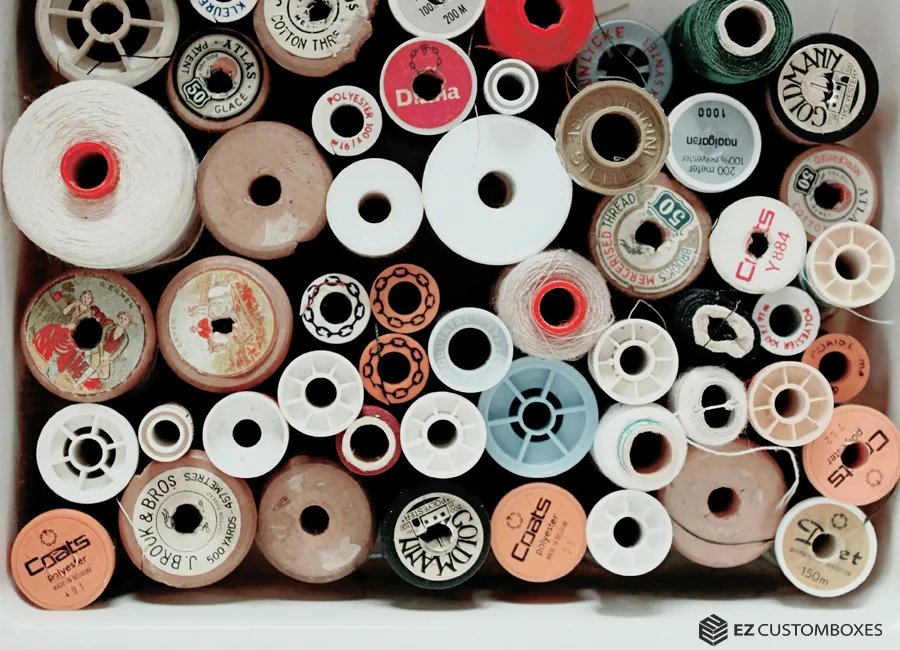
Brands are responding to consumer demand for green fashion. They use recycled textiles to reduce their environmental impact.
As technology advances, the variety and quality of recycled fabrics improve. This enables the creation of more durable and appealing clothing.
Packaging and Consumer Goods
Packaging is shifting towards sustainability. Recycled content is instrumental in reducing packaging waste.
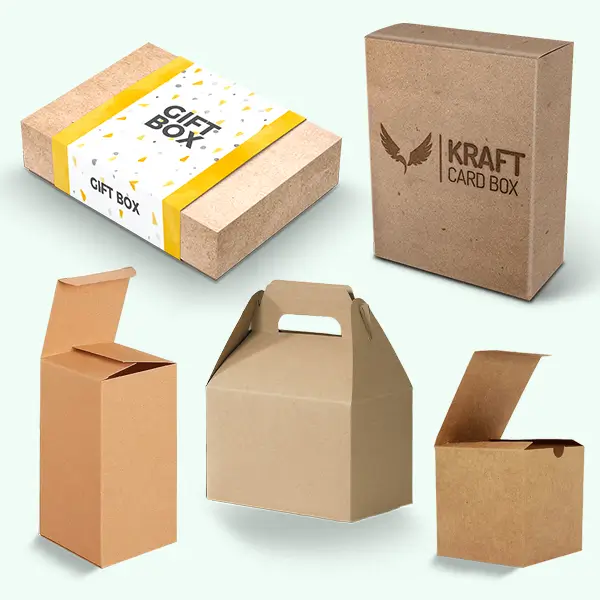
Many companies opt for recycled paper and plastics. These materials are essential in producing eco-friendly packaging.
Biodegradable and compostable options complement recycled materials. They further reduce the environmental footprint of consumer goods.
- Recycled paper packaging
- Eco-friendly plastics
- Biodegradable materials

The move to sustainable packaging is driven by both demand and regulatory pressures. Consumers prefer products with minimal environmental impact.
Companies adopt recycled materials not only to meet consumer expectations but also to comply with environmental regulations.
Recycling packaging materials helps close the loop in the circular economy. This practice ensures resources remain in use, lessening the burden on our planet.
How Recycled Materials Support Sustainable Products
Recycled materials are vital to creating sustainable products. They help decrease the environmental impact of manufacturing processes.
By using recycled inputs, companies conserve resources. This practice lessens the need for raw materials, fostering resource efficiency.
Energy consumption can be reduced when producing goods with recycled materials. This is because recycling often requires less energy than extracting and processing virgin materials.
Moreover, recycled materials frequently result in lower carbon emissions. This contributes to efforts in battling climate change.
- Resource conservation
- Energy-efficient production
- Reduced emissions
Sustainable products made from recycled components often appeal to consumers. Shoppers increasingly seek eco-friendly options, pushing businesses to innovate.
The lifecycle of products using recycled inputs tends to be longer. They enhance circular economy practices by keeping materials in use and minimizing waste.
Recycled materials can lead to cost savings for manufacturers. They provide a stable supply of inputs that are less susceptible to price fluctuations and scarcity.
In the broader scope of corporate responsibility, adopting recycled materials helps companies meet sustainability targets. It aligns them with global initiatives aimed at reducing environmental harm.
Additionally, the design of sustainable products often involves end-of-life considerations. This includes plans for recycling or reusing materials once the product is discarded.
The use of recycled materials strengthens the market for sustainable goods. It supports a cycle of reuse and reinvention, paving the way for a greener future.
These efforts are vital in promoting environmentally conscious development, ultimately benefiting the planet and its inhabitants.
Challenges and Innovations in Recycling
The recycling industry faces many challenges, often hindering its efficiency. Contamination of recyclable materials is a major issue.
Contaminated materials can't be processed easily, decreasing the quality of recycled products. This requires additional sorting and cleaning.
Another obstacle is the lack of adequate recycling infrastructure. Many areas lack the facilities needed to handle various recyclable materials efficiently.
Market demand for recycled materials can also fluctuate. Such volatility can make the recycling process less economically viable.
- Contamination of materials
- Limited recycling infrastructure
- Market volatility
Technological advancements are driving innovations in recycling. New sorting technologies improve the separation of different materials, increasing the efficiency of the process.
Innovations in bio-based and biodegradable materials complement recycling efforts. They provide alternatives where traditional recycling processes might falter.
Public awareness campaigns are crucial for boosting recycling rates. Educating consumers on proper sorting and recycling practices can significantly reduce contamination.
Governments are playing a key role in overcoming these challenges. By implementing policies and incentives, they support infrastructure development and encourage sustainable practices.
Collaborations between public and private sectors are fostering innovations. They create synergies that improve the effectiveness of recycling systems.
Addressing recycling challenges requires a multi-faceted approach. By integrating innovations and increasing awareness, the industry can maximize its positive impact on the environment.
How to Identify and Choose Recycled and Recyclable Products
Selecting recycled and recyclable products requires a bit of attention and knowledge. Look for labels and certifications that indicate a product's recycled content.
Often, products will display symbols like the recycling triangle. This indicates that they are recyclable or made from recycled materials.
Another tip is to check for certifications from recognized organizations. Certifications can offer assurance of the product's sustainable credentials.
- Check for recycling symbols
- Look for certifications
- Read labels carefully
Reading product labels closely can reveal important information. Some might specify the percentage of recycled material used.
Additionally, opting for products packaged in minimal or recyclable materials can aid in reducing waste. Companies that prioritize sustainability often highlight their efforts.
Choosing products from companies with strong sustainability policies is also wise. These businesses tend to commit to eco-friendly practices across their supply chains.
Engaging in community programs that promote recycling knowledge can be beneficial. They often provide useful resources on identifying sustainable products.
By making informed decisions, consumers can support the circular economy. This promotes a positive environmental impact.
The Future of Recycled and Recyclable Materials
The future of recycled and recyclable materials is promising. With growing awareness, these materials are integral to addressing environmental challenges. Innovations are constantly emerging to enhance their efficiency and effectiveness.
Research is driving breakthroughs in recycling technologies. Advancements allow for better sorting, processing, and reprocessing of materials, making recycling more viable.
- Enhanced recycling technologies
- Innovative material uses
- Expanded recycling infrastructure
Businesses are also adopting ambitious sustainability targets. They are increasingly incorporating recycled materials into their products. This shift is aligned with consumer demands for eco-friendly solutions.
Government policies are likely to play a crucial role in this transition. By setting stricter regulations, authorities can encourage companies to embrace recycled content.
As recycling practices evolve, the potential for reducing our carbon footprint grows. This ensures that recycled materials will be central to sustainable development goals. The joint efforts of technology, industry, and policy will shape this eco-conscious future.
Conclusion: Building a Sustainable Future with Recycled and Recyclable Materials
Recycled and recyclable materials offer a pathway to a more sustainable world. By reducing waste and conserving resources, they pave the way for an eco-friendly future. Embracing these materials is essential for addressing today’s environmental challenges.
Every step towards increased recycling contributes to environmental preservation. This involves not just businesses but also governments and communities. Collective action and awareness can significantly enhance recycling rates and efficiency.
As we look ahead, the role of recycled materials in achieving sustainability goals cannot be understated. The ongoing commitment to innovation and collaboration will drive progress. Together, we can build a resilient, sustainable future that benefits both people and the planet.

Ethan Robert works at EZ Custom Boxes as their digital marketing manager. Having a solid background in SEO, content strategy, and eCommerce growth, he specialises in using creative packaging content and data-driven campaigns to drive online visibility and brand interaction.
Recent Blogs



Related Blog

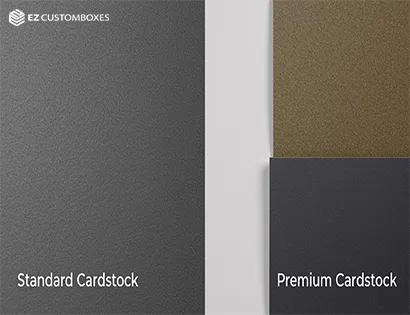
Standard Cardstock vs Premium Cardstock: Which Is Right for You?
When you're planning to print invitations, create custom business cards, or work on DIY projects, one of the most important decisions you'll make is which type of cardstock to use. Standard cardstock and premium cardstock are two common options, but what sets them apart, and how do you know which one is right for your project?
Read Article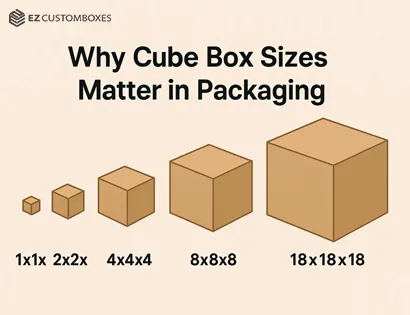
Complete Guide to Cube Box Sizes
Choosing the right packaging matters — whether you run an eCommerce brand, handle shipping, or manage storage. That’s why understanding multiple box sizes from 1x1x1 up to 18x18x18 is essential for durability, cost efficiency, and safe product delivery. In this guide, we break down each dimension with real-world uses, benefits, packing tips, and best-fit applications. Our goal is to help you find the perfect cube box size for any product, project, or packaging requirement. Whether you need micro-packaging for jewelry or large cube boxes for bulk items, this comprehensive breakdown will help you choose confidently.
Read Article