

"What’s inside the pack matters — but how it’s packed tells the real story."
Cigarettes are sold all over the world. They usually look the same and it’s the packaging that makes it difference. Packaging plays a most important role in marketing. One question that is usually asked is: “ How many cigarettes are in the box?” The standard packaging of cigarettes almost all over the world contains 20 cigarettes. There is a reason for choosing the number of cigarettes in the box. This amount will be chosen to balance cost, smoking habits, and health policies. But some brands also offer a pack of 10, 25, or 30 cigarettes in the box. It depends on the requirements of the brands and customer demand. At EZ Custom Boxes, we know how to craft the box according to the cigarettes inside.
What’s the Standard Number of Cigarettes in a Pack?
We can see the pack of different amounts of cigarettes may be 10,20, 25, or a pack of 30 cigarettes, but the most common is the pack of 20. This standard amount is accepted across the United States, Canada, Europe, Australia and even Asia.
Why Are There 20 Cigarettes in a Pack?
The question arises why the number is 20 and why not 15 or 30? Let's go through the reasons.
Historical Consumer Habits: In the 20 century, it began with a 20-stick pack. It seems to be the right amount and would be enough for a day or two. Over time, it became a norm.
Government Regulations: Most countries follow strict laws for cigarette packaging. Even most of countries have decided 20 cigarettes is the required pack size. In many countries, including the United States, Canada, and much of the European Union, a standard pack of cigarettes contains 20 cigarettes. This will help us with tax calculation. In other countries, it may vary.
Packaging Efficiency: The number of sticks can be easily managed in a rectangular box. It would be an ideal size for accurate printing, including designing, warning or logo.
How Many Cigarettes Are in a Pack?

The standard number of cigarettes per pack is 20. However, packaging can be customized depending on market demand and consumer behavior. Here's a breakdown:
- Small Pack (Infrequent Smokers): 10 cigarettes
- Standard Pack (Average Smokers): 20 cigarettes
- Economy Pack (Heavy or Social Smokers): 30 cigarettes
Depending on your target market, you can adjust the size and number of sticks per pack to align with local trends and regulatory norms.
🌎 Pack Size by Country
|
Country |
Cigarette Pack Size |
|
Australia |
26 sticks |
|
USA |
20 sticks |
|
Asia (various) |
Up to 30 sticks |
|
Europe |
10–25 sticks |
Different markets prefer different pack sizes. Knowing these preferences can give your brand a competitive edge.
Cigarette Box Dimensions – Size Guide

Cigarette box dimensions determine how many sticks fit comfortably without compromising protection or appeal. Here’s a quick size chart:
✅ Standard Box Sizes
|
Type |
Box Dimensions (mm) |
Capacity |
|
Regular Box |
85 x 56 x 22 |
24 Regular, 22 King, 18 Extra Long |
|
King Size Box |
100 x 60 x 25 |
35 Regular, 31 King, 26 Extra Long |
|
Custom Box |
Varies |
Fully Customizable Based on Need |
Pro Tip: Use this formula to calculate box dimensions:
Box Volume = Length × Width × Height
Cigarette Volume = Length × Diameter
Then divide the two for accurate estimation.
How Many Cigs in a Pack?
Most commonly, a carton contains 10 packs of 20 cigarettes each, but variations exist:
Carton Size Based on Pack Count
|
Pack Count per Carton |
Cigarette Size |
Carton Dimensions (mm) |
|
5 Packs (Small) |
85mm |
85–90 x 275 x 22 |
|
10 Packs (Standard) |
85mm |
85–90 x 550 x 22 |
|
20 Packs (Large) |
85mm |
85–90 x 1100 x 22 |
|
10 Packs (100mm Cigs) |
100mm |
100–105 x 550 x 22 |
|
10 Packs (Slim Cigs) |
110mm |
110–115 x 450 x 15 |
Note: The bigger the cigarette or pack size, the larger the carton needed.
Legal Requirements for Cigarette Packaging
Before customizing your cigarette packs, understand the legal restrictions in your target market. Here's what you need to consider:
USA (FDA Regulations)
- 50% of front and back must carry warning labels
- No stickers—warnings must be printed directly on packaging
- Specific warnings approved by the FDA are required
Australia
- Pantone 448C (mandatory dull green) packaging
- No logos or fancy designs
- Health warnings must be dominant
Asia (e.g., Pakistan, India)
- 60% of packaging must carry graphic warnings
- Text must be in native and English languages
- Strict branding limitations and youth protection laws
|
Country |
Warning Size |
Branding Rules |
Key Regulation Highlights |
|
USA |
50% |
FDA-mandated warnings |
Requires warning plan approval |
|
Australia |
100% standard color |
No logos, uniform font |
Complies with Public Health Act |
|
Pakistan |
60% |
No descriptors (e.g., light, mild) |
Sales restricted near educational institutions |
Takeaways

Custom cigarette packaging is not just about appearance—it's about strategy, compliance, and market insight. From understanding how many cigarettes are in a pack to selecting the right box type and dimensions, you must align with legal standards while also standing out on the shelf.
Whether you're launching a new brand or expanding your line, EzCustomBoxes is here to help you create custom cigarette boxes that are:
- Legally compliant
- Brand-enhancing
- Durable and stylish
- Tailored to your audience
Are There Other Pack Sizes?
Many countries follow different standard sizes of packaging, such as:
- Europe, Asia: usually 10 packs, as it is affordable packs
- Some parts of Asia also go with 30 sticks in a pack
- Canada, Australia: Pack of 25 sticks, as they are valued for heavy smokers
- Global as a whole: 50 sticks in a carton
Deciding the packaging also requires government involvement; many countries banned packs of 10 sticks as they would be attractive for the teens and more affordable.
What Is a Cigarette Carton?
Other than the small boxes, the brands can also have wholesale boxes. The carton that holds multiple cigarette packs. These can be used by wholesalers or bulk-buying customers. The most common quantity of the carton is:
10 packs of 20 cigarettes = 200 cigarettes in total
EZ Custom Boxes can create a carton that holds your cigarettes in style and is durable enough to protect the product inside.
Stick Count Affects Cigarette Packaging Design
Stick count affects the design of the packaging. It impacts the size and shape of the box, Even the choice of the material, it also effects the printing surface space such as: pack of 10 would be small and slim, a pack of 20 bit wide may use any hard material to maintain the shape or a pack of 30 sticks may include divider or use flip open tray. Our Expert team will make the packaging match the exact dimensions and layout of your product needs.
Why Should Brands Care About Cigarette Pack Size?
How many cigarettes are in one pack is an important thing to consider before crafting the box. It not only helps to design the box but also for many other reasons.
Laws & Compliance: Every country has some rules regarding the packaging size so brands need to opt for the same amount to be added in the box. Otherwise the brand may be fined or banned by the government.
Pricing Strategy: There should be a right balance between value and affordability. More cigarettes in a box means a high retail price, which could not be affordable
Target Audience: The quantity in a box also depends on the target audience. For instance, for young adults, a pack of 10 would be preferred, whereas for chain smokers, a pack of 25 or 30, or possibly a carton. Choosing the right pack size helps your brand connect better.
Packaging Design: A bigger pack may give the brand more space to add design, labels etc. On the other hand, the smaller box needs a minimalist design. EZ Custom Boxes helps brands determine which stick count and packaging size best fit their product strategy, while also ensuring compliance.
How EZ Custom Boxes Supports Custom Cigarette Pack Sizes
At EZ Custom Boxes, we not only build the standard packaging but also help design the packaging according to the specific requirements.
- Simple pack of 20 sticks
- Flip-flop box for 25 sticks
- Small pack of 10 or 5 sticks
The perfect packaging is the basis, and the success of the brand mainly depend on the accurate packaging. Right packaging is as important as the product itself. We have read in detail why it is necessary to know the quantity of the sticks inside the pack, and this proper understanding will surely make the steps easy. EZ Custom boxes are the top-ranked name in the packaging sector with more than a decade of experience. Our expert team will assist you 24/7 with every aspect of the box dimensions and size.
Don’t Overlook the Count — It Counts! It seems to be a little detail, but it is actually the base for designing the box. This affects your whole business, from the cost to compliance to consumer satisfaction. Feel free to call us for our expert advice, give us an order, and leave the rest to us. We are ready to create the perfect packaging for your cigarette product.



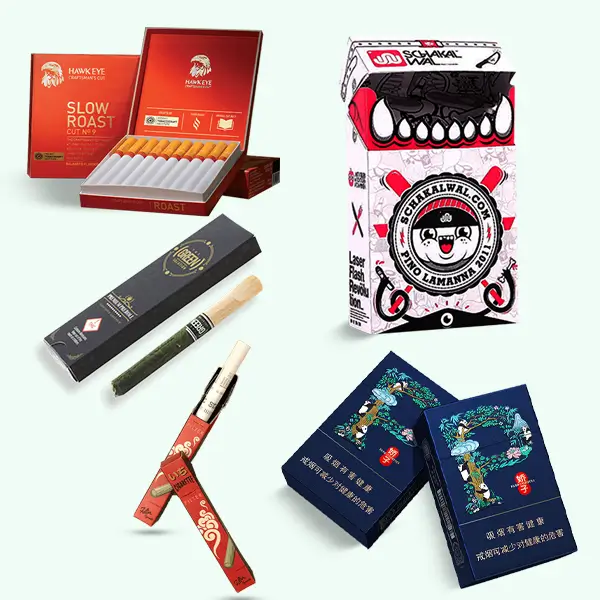
Cigarette packs are a common sight worldwide. But have you ever wondered how many cigarettes are in a pack?
The answer might seem simple, but it varies. A standard pack of cigarettes typically contains 20 cigarettes.
However, this number can change depending on where you are. Different countries have different regulations.
In some places, you might find packs with 10, 14, or even 25 cigarettes. These variations are influenced by local laws and market strategies.
Understanding these differences is important for smokers and those interested in tobacco regulations. It also sheds light on the broader topic of cigarette packaging.
Cigarette packs are more than just containers. They play a role in marketing, health warnings, and consumer perceptions.
The design and size of a pack can impact brand loyalty and consumer choices.
In this article, we will explore the fascinating world of cigarette packaging.
What Is a Pack of Cigarettes?
A pack of cigarettes is a convenient way to sell and transport cigarettes. It is compact and easy to carry.
A cigarette pack typically consists of a cardboard or paperboard container. This container holds a specific number of cigarettes.
Inside, cigarettes are often arranged in one or two rows. A foil or plastic lining maintains freshness and prevents damage.
Cigarette packs serve multiple purposes beyond storage. They display branding, provide consumer information, and hold health warnings.
Key features of a cigarette pack include:
- Durable material for protection
- Printed branding and logos
- Health warnings and information
- Layered packaging for freshness
The role of a cigarette pack extends to marketing and regulatory compliance. Laws often dictate pack designs to minimize smoking appeal, especially to youth.
Beyond practical uses, packs influence consumer perceptions and brand differentiation. They are central to tobacco companies' marketing strategies.
Standard Number of Cigarettes in a Pack
In many countries, the standard number of cigarettes in a pack is 20. This number is typical for the United States, the United Kingdom, and much of Europe.
The choice of 20 cigarettes per pack has practical roots. Twenty cigarettes fit conveniently within a small package, striking a balance between cost and convenience.
Aside from 20-cigarette packs, some regions permit different quantities. This can range from packs containing as few as 10 cigarettes to those holding up to 25.
Despite variations, the 20-cigarette pack remains the industry norm globally. It’s a standard for pricing calculations and tax assessments by governments.
Furthermore, standardizing the number in a pack simplifies production for manufacturers. It also ensures consistency, which is crucial for international sales and marketing strategies.
Each pack may include several essential features:
- Foil lining for freshness
- Printed health warnings
- Brand identification with logos
- A secure seal to maintain tobacco quality
The number of cigarettes in a pack also plays a role in consumer spending. Fewer cigarettes in a pack can mean a lower initial price, potentially appealing to price-sensitive customers.
The standard pack serves not only regulatory purposes but also contributes to consumer preference. Its size and design cater to the needs of smokers, offering a familiar and reliable product.
Variations in Pack Sizes Around the World
Cigarette pack sizes can vary significantly across different countries. These variations are often due to cultural preferences, economic factors, and regulatory policies.
For instance, in some regions, smaller packs are popular. Packs with 10 or 14 cigarettes are sometimes used to cater to casual smokers or those trying to quit.
In others, larger packs of 25 cigarettes provide better value for regular smokers, making them a preferred choice. These larger packs are commonly found in countries like Canada and Australia.
Furthermore, economic conditions influence pack sizes. In regions where tobacco is heavily taxed, smaller packs might be more popular due to their lower upfront cost.
Additionally, cultural attitudes toward smoking can lead to differences in pack preferences. Areas with strong anti-smoking campaigns might see a rise in smaller, less expensive packs as consumers try to cut down.
Regulatory bodies also play a critical role. Some countries have minimum pack size regulations, ensuring smokers consume fewer cigarettes overall.
Two lists highlighting regional preferences:
- Smaller Packs (10-14 cigarettes):
- Italy
- South Africa
- Japan
- Larger Packs (25 cigarettes):
- Australia
- Canada
- Russia
These variations reflect not only consumer habits but also the strategic approaches of tobacco companies. Manufacturers adjust their offerings to align with local norms and regulatory landscapes.
Overall, pack size diversity highlights the complex nature of the global tobacco market. It’s not just about preference but a mix of social, economic, and legal factors.
Regions with varying pack sizes also see diversity in packaging design. Different formats cater to local tastes and legal requirements.
Government restrictions often dictate packaging elements, impacting the number of cigarettes in each pack. This influence extends to the visual and functional aspects of tobacco products worldwide.
United States
In the United States, the typical pack contains 20 cigarettes. This standard size is used by most major brands in the country.
However, some manufacturers offer packs with 25 cigarettes. These larger packs are marketed as providing more value for frequent smokers.
In the U.S., packaging often includes significant health warnings. These are mandated by law to inform smokers of the risks associated with tobacco use.
Regulatory changes can occasionally lead to different sizes. Yet, the 20-cigarette pack remains the predominant choice among American consumers.
United Kingdom and European Union
In the UK and the European Union, packs generally hold 20 cigarettes. This standard complies with widespread regulations across member nations.
A push for uniformity in packaging has influenced this sizing. The EU requires consistent health messages on packs, impacting their design and contents.
Smokers in these regions usually purchase the standard size, reflecting both tradition and legal guidelines. However, packs of 10 cigarettes were banned in the EU as a part of ongoing anti-smoking efforts.
Some countries within the EU have adopted special packaging laws. These further emphasize health warnings and aim to deter smoking among the public.
Australia, Canada, and Other Countries
In Australia, packs can hold 20 or 25 cigarettes. The larger pack is a notable option there, often resulting in better cost efficiency for smokers.
Canada also embraces the larger 25-cigarette pack. This is common among Canadian smokers who prefer getting more with each purchase.
Alongside these nations, Japan and parts of Southeast Asia offer varied pack sizes too. These often include 14 and 15-cigarette packs for local consumers.
A significant feature in countries like Australia is the use of plain packaging. This law mandates no branding, focusing more on health warnings than logos or designs.
Why Do Pack Sizes Differ?
Pack sizes differ mainly due to regulatory influences, consumer preferences, and market strategies. Each factor plays a unique role in shaping how cigarettes are sold globally.
One key factor is government regulation. Many countries impose laws that dictate minimum or maximum pack sizes to control tobacco consumption.
Consumers also influence pack sizes through their smoking habits. Casual smokers might prefer smaller packs, while regular users often choose larger options for economic reasons.
Market strategies further diversify pack sizes. Tobacco companies adjust offerings to meet local demands, providing variety and potential cost savings for the consumer.
Lastly, cultural attitudes shape pack size preferences. In societies with strong anti-smoking sentiments, there is often demand for smaller packs, reflecting an effort to reduce smoking.
A summary of influencing factors:
- Government regulations on pack size
- Consumer smoking habits and economic considerations
- Market strategies of tobacco companies
- Cultural attitudes toward smoking
Types of Cigarette Packs: Hard, Soft, Flip-Top, and More
Cigarette packs come in various formats, each offering unique benefits. The design often reflects both functional and aesthetic considerations.
Hard Packs
Hard packs are rigid and protect cigarettes from being crushed. They are usually made from durable materials, offering a polished appearance.
Soft Packs
Soft packs, conversely, are more flexible. They occupy less space, making them convenient for storage, though they offer less protection.
Flip-Top Packs
Flip-top packs provide easy access to cigarettes. With a lid that flips open, they offer both practicality and style, becoming a favorite for many smokers.
Specialty Packs
Besides traditional types, specialty packs cater to specific preferences or marketing niches. These might include limited edition designs or packs optimized for portability.
Summary List
Here's a quick rundown of popular pack types:
- Hard Pack
- Soft Pack
- Flip-Top Pack
- Specialty Packs
by Masha Rostovskaya (https://unsplash.com/@mglbv)
Ultimately, the choice of pack type often depends on personal preference and lifestyle. Each format offers its own set of advantages, catering to different needs and contexts. Choices are guided by practicality, aesthetics, and sometimes brand loyalty.
How Many Cigarettes in a Carton?
When buying in bulk, cigarette cartons are often the go-to choice. They provide a more economical option compared to single packs.
A standard carton contains ten packs. This totals to 200 cigarettes, assuming each pack holds 20 cigarettes.
However, the total number can vary by region. In some markets, packs may have fewer cigarettes, impacting the carton total.
Cartons offer convenience for regular smokers. They reduce the need for frequent purchases and can save money over time.
Quick Facts About Cartons:
- Standard carton: 10 packs
- Total cigarettes in a carton: Usually 200
- Variations in count exist by country
While cartons are typically standardized, it's essential to note regional differences. Laws and market demands influence the total count in a carton. Recognizing these variations helps consumers make informed choices. Shopping with awareness of pack sizes and regulations is wise for those buying cartons.
The History and Evolution of Cigarette Packaging
Cigarette packaging has undergone significant changes over the years. Initially, cigarettes were sold in simple paper wraps. As the market grew, packaging became more sophisticated to attract consumers.
Early 20th-century packs introduced logos and brand colors. These designs helped establish brand identity in a competitive market.
In the mid-20th century, flip-top packs became popular. They provided better protection for cigarettes, maintaining freshness longer.
Health concerns started impacting packaging in later decades. Governments mandated health warnings, shifting design priorities.
Cigarette packaging also embraced anti-counterfeiting measures. These included holograms and unique print designs.
Key Developments in Cigarette Packaging:
- Early simple wraps
- Introduction of brand-specific designs
- Adoption of flip-top boxes
- Integration of health warnings
- Anti-counterfeiting features
Packaging advancements often reflect wider societal changes. As smoking habits evolve, so do packaging needs. Today, packages balance branding with regulatory compliance. The evolution of cigarette packaging is a fascinating journey, mirroring the complex history of smoking itself.
Cigarette Pack Sizes and Tobacco Regulations
Cigarette pack sizes are heavily regulated around the world. These regulations aim to control tobacco consumption. In many countries, pack size impacts purchasing behaviors.
Governments enforce minimum pack sizes to deter smoking. Smaller packs might encourage more frequent purchases, increasing overall consumption. Larger packs serve as a deterrent due to higher upfront costs.
The number of cigarettes in a pack is also regulated. Most countries mandate a standard of 20 cigarettes per pack. However, exceptions exist in some regions, reflecting unique regulatory approaches.
Regulations extend beyond pack size. They include guidelines for health warnings and branding. Many countries require prominent health warnings on cigarette packs.
Key Regulatory Aspects of Cigarette Packs:
- Minimum pack size requirements
- Standardization of cigarette numbers per pack
- Mandatory health warnings and labels
These rules aim to reduce smoking's appeal, especially among the youth. By imposing stringent packaging laws, authorities hope to curb smoking rates. The effectiveness of these regulations continues to be a subject of research and debate globally.
Health Warnings and Packaging Laws
Health warnings on cigarette packs have become increasingly stringent. Most countries require graphic images and blunt text warnings. These warnings aim to educate smokers about the risks.
The size and placement of warnings vary widely. Some nations mandate that warnings cover a significant portion of the pack. This ensures that the message is unmistakable and hard to ignore.
Such packaging laws extend to branding restrictions as well. Many areas restrict the use of colors and logos to diminish brand appeal. Plain packaging policies are designed to reduce the attractiveness of smoking.
Common Elements of Health Warnings:
- Graphic images depicting smoking effects
- Text warnings about health risks
- Large warning labels for visibility
These measures are part of a broader strategy to combat smoking. By making cigarette packs less appealing, countries hope to reduce smoking initiation rates, especially in young people. The effectiveness of these strategies continues to be evaluated by public health experts.
The Impact of Packaging on Smoking Habits
Cigarette packaging is more influential than many realize. The design and visuals can deeply affect smoking behaviors. Attractive packaging may tempt individuals to start or continue smoking.
Conversely, plain and warning-laden packs aim to repel potential smokers. Studies suggest that graphic warnings can reduce the desire to purchase cigarettes. These deterrents work by making the health risks palpable.
The emotional impact of packaging can't be underestimated. Packages with disturbing images may provoke discomfort. This discomfort is intended to shift public perception and reduce smoking rates.
Factors Influencing Smoking Habits:
- Visual appeal of packaging
- Graphic health warnings
- Emotional response to design
Efforts to redesign cigarette packs reflect a broader public health mission. By altering how cigarettes are presented, authorities hope to reduce their allure. This forms a crucial part of comprehensive tobacco control strategies.
Environmental Concerns and Sustainable Packaging
Cigarette packaging raises significant environmental issues. Most packs are made from non-recyclable materials. These materials contribute to the mounting waste problem.
Increasingly, there's a push for sustainable solutions. Using recyclable materials can reduce environmental impact. Some companies have begun exploring biodegradable alternatives.
Notably, cigarette butts also create an immense ecological burden. They often end up polluting natural habitats and waterways. Addressing packaging waste is just one part of the solution.
Innovations in Sustainable Packaging:
- Recyclable paper and cardboard
- Biodegradable materials
- Minimalistic packaging designs
Efforts in sustainable packaging aim to lessen tobacco's ecological footprint. By altering the materials and production processes, companies can contribute positively. These changes are integral for a healthier planet and a more responsible industry.
Frequently Asked Questions About Cigarette Packs
Key Takeaways: What to Remember About Cigarette Packs
Cigarette packs play a critical role in tobacco product marketing and regulation. They serve as both a container and a tool for communication.
The standard pack contains 20 cigarettes, but global variations exist. These differences often reflect local regulations and public health strategies.
Here are some important points about cigarette packs:
- Standard Contents: Typically 20 cigarettes per pack.
- Global Differences: Sizes can vary from 10 to 25 cigarettes.
- Regulatory Influence: Packaging laws impact the design and contents.
- Health Focus: Most packs include prominent health warnings.
Understanding these aspects can shed light on the cigarette packaging landscape. The design and regulation of packs influence both consumer behavior and public health. As such, they are a central element in the dialogue surrounding smoking and tobacco use. Whether for smokers or non-smokers, knowledge about these packs is crucial.
Conclusion
The intricacies of cigarette packaging reveal much about the global tobacco industry. From the number of cigarettes in a pack to the variations in packaging design, each aspect is shaped by regulation, culture, and market forces.
Standard packs usually contain 20 cigarettes, but this number can change depending on regional laws. Such diversity in packaging reflects the global efforts to regulate smoking. These efforts aim to balance market demands with health considerations.
Packaging plays a crucial role in consumer perception and brand identity. It serves not only as a container but also as a platform for health warnings and promotional messages. As regulations tighten, the role of the pack continues to evolve, reflecting broader societal goals.
Understanding the dynamics of cigarette packaging helps illuminate the ongoing dialogue between public health advocates, policymakers, and the tobacco industry. As a component of tobacco control strategies, packaging remains a focal point in the battle against smoking-related harm.
Frequently Asked Questions About Cigarette Packs
What is the standard number of cigarettes in a pack?
Typically, a pack contains 20 cigarettes. However, this can vary by country and brand.
Why do some packs have different numbers of cigarettes?
Certain regions have different tobacco regulations. These laws can dictate the number of cigarettes allowed in a pack.
How many packs are in a carton?
A standard carton usually contains 10 packs. Therefore, a carton often totals 200 cigarettes.
Are there packs with fewer cigarettes?
Yes, some countries allow smaller packs. These can contain 10, 14, or even 16 cigarettes.
Is there a legal reason for these variations?
Indeed, many variations stem from regulatory efforts. Governments may use packaging laws to influence smoking behavior.
What other information do cigarette packs provide?
Cigarette packs often include health warnings. They may also feature information about the risks of smoking.
Common Topics:
- Packaging regulations
- Health warnings
Regulatory Goals:
- Discourage smoking
- Inform consumers about risks
Understanding these FAQs provides clarity on cigarette packaging specifics and regulations. Each region's approach reflects its public health policies and tobacco control strategies.
Q: Why are there 20 cigarettes in a pack?
A: 20 is considered a standard amount—enough for daily use and economical for mass production.
Q: Are 10-cigarette packs still available?
A: Yes, but they’re less common. They're mainly used for lighter smokers or regulatory reasons in certain countries.
Q: What should be included on a cigarette pack?
A: Brand name, logo, and mandatory health warnings covering up to 60% of the surface.
Q: What’s the price of custom cigarette packs?
A: It varies by size, design, materials, and quantity. For accurate pricing, contact EzCustomBoxes for a personalized quote.
Q: How many types of cigarette packs are there?
A: Typically two – soft and hard packs. Flip-top variations are a subcategory of hard packs, often used for premium products.
Q:What is a 10 pack of cigarettes called?
A:A half pack.
Q:How much is a pack of 20 cigarettes in the US?
A:$6–$12, varies by state.
Q:Are all cigarette packs 20?
A:Mostly yes, but not always.
Q:How many cigarettes are in a pack of Marlboro 100s?
A:20 cigarettes.
Q:Can you still get 10 pack cigarettes?
A:Rare, mostly banned in many countries.
Q:What happens if you smoke 20 packs of cigarettes a day?
A:Likely fatal; extreme overdose.
Q:Which is the most expensive cigarette?
A:Sobranie or Treasurer brands.
Q:Does Walmart sell cigarettes online?
A:No, only in stores.
Q:Why are cigarettes so expensive?
A:High taxes and health costs.
Q:How many cigarettes a day is safe?
A:None; any amount is harmful.
Q:What is a cigarette leftover called?
A:A butt.
Q:Why do people hit cigarette packs?
A:To pack tobacco evenly.
Q:Why do people flip one cigarette in a pack?
A:For luck or ritual.
Q:Why are cigarettes so comforting?
A:Nicotine affects mood and stress.
Q:Why is there foil in cigarette packs?
A:To keep them fresh.
Q:Why do cigarette boxes tell you not to smoke?
A:Legal health warning.
Q:Who invented cigarettes?
A:Ancient civilizations; modern form in the 1800s.
Q:Why do cigarettes have a hole in the filter?
A:To dilute smoke with air.
💬 Need Help with Custom Packaging?
Whether it’s sizing, regulatory guidelines, or design tips, EzCustomBoxes offers 24/7 support to guide you through the process. Get in touch today and make your packaging stand out in the crowd.
Ethan Robert works at EZ Custom Boxes as their digital marketing manager. Having a solid background in SEO, content strategy, and eCommerce growth, he specialises in using creative packaging content and data-driven campaigns to drive online visibility and brand interaction.
Recent Blogs




Related Blog

CBD Boxes: Regulatory Landscape and Packaging Requirements
CBD or cannabidiol products have regulations surrounding them. It is important for sellers to disclose details about the product to customers. One way to do this is through CBD boxes or the packaging of the product. The packaging of these products will not only protect them but will probably give consumers the initial impression of what you are selling.
Read Article
Luxury Rigid Boxes: Comparative Analysis of Global Market Trends
A packaging type that aims to give consumers an exceptional experience includes luxury rigid boxes. These boxes are used to give the product an exquisite look. High-end items are often placed in these boxes such as jewelry, electronics, as well as other luxurious products.
Read Article
Custom Boxes: Personalization Trends and Market Demand
The packaging of your product can help give a good image to your consumers. It can even aid in increasing brand awareness and keeping the product safe. Custom boxes can help you end up with packaging .This packaging is able to tell a story of your brand and lets it become known in a competitive market.
Read Article